

Say you wake up with a burning sensation when you pass urine, and the GP surgery’s phone line is already engaged at 8am. Under NHS England’s Pharmacy First scheme, you do not have to keep redialling. For a set list of common conditions, your community pharmacist can assess you, and supply prescription-only treatment where appropriate, without a GP referral and at no charge if you are exempt from prescription fees.
Pharmacy First launched in England on 31 January 2024. It formalised and widened what many high street pharmacies were already doing informally, and it is now a routine part of how primary care is delivered. This article explains what it covers, how to use it and where the strain is showing.
What can you get through Pharmacy First without seeing a GP?
Pharmacy First covers seven common conditions, and pharmacists can supply certain prescription-only medicines for them if clinically appropriate. These are:
- Uncomplicated urinary tract infections in women aged 16 to 64
- Sore throat in people aged 5 and over
- Sinusitis in people aged 12 and over
- Earache (acute otitis media) in children aged 1 to 17
- Infected insect bites in people aged 1 and over
- Impetigo in people aged 1 and over
- Shingles in people aged 18 and over
The pharmacist follows national clinical pathways. If your symptoms do not fit, or there are warning signs, they will refer you onwards, to a GP, urgent care or in serious cases A&E. Being sent on is part of the design, not a failure of the service.
How does Pharmacy First work in practice?
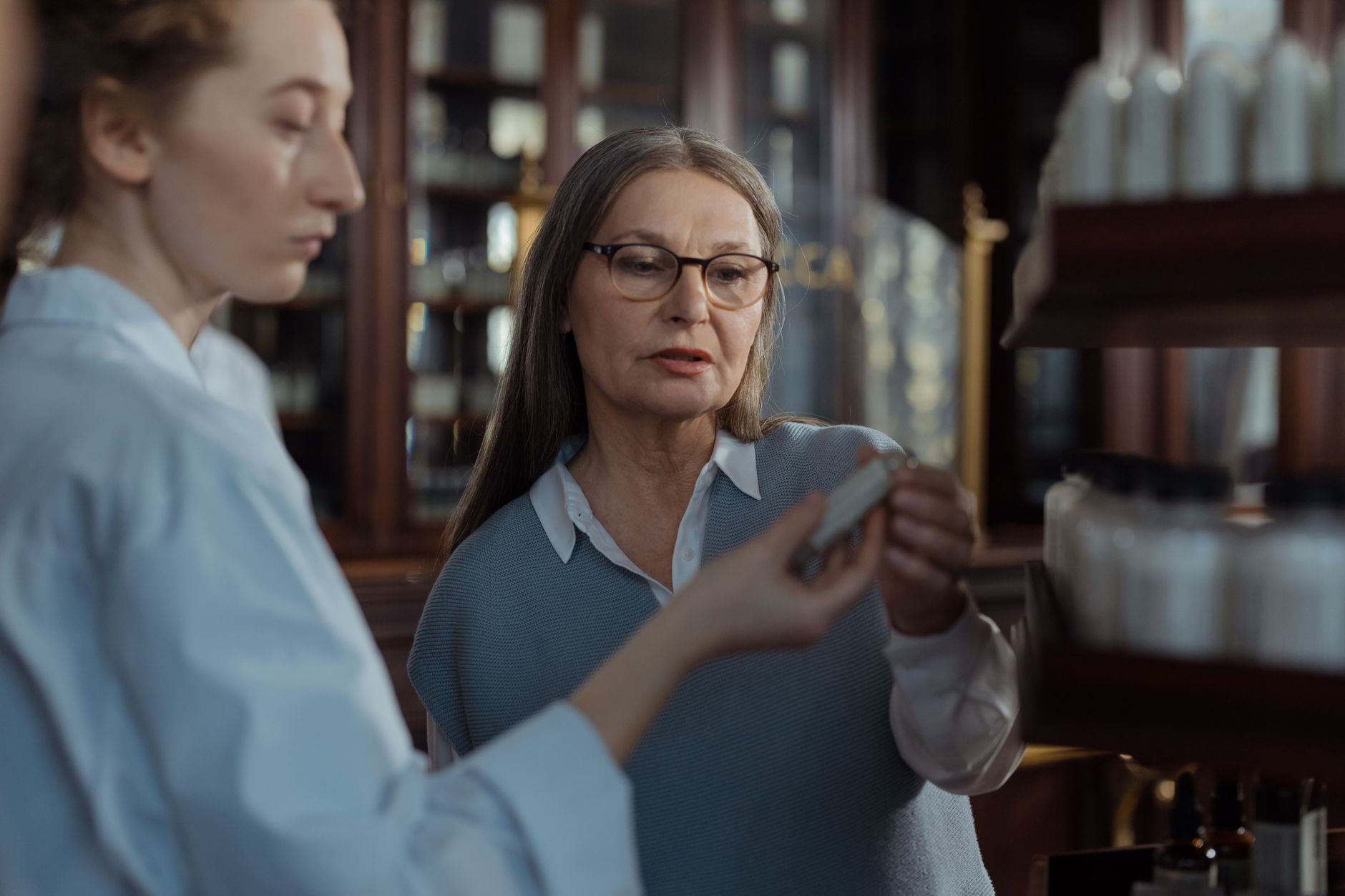
You can walk into a participating pharmacy, or be referred by NHS 111, a GP practice or urgent care. The pharmacist carries out a consultation in a private room, usually checking symptoms, your history and any medicines you take. If treatment is suitable, you receive it on the spot, and your GP practice is notified so your record stays complete.
The scheme sits alongside two older services. Pharmacists can also provide advice and over-the-counter treatment for minor illnesses, and since 2023 many have been able to supply some oral contraception without a prescription. The NHS guide to pharmacy services lists what is on offer and how to find a pharmacy near you.
Why are pharmacies taking on this work?
The motivation is capacity. GP surgeries have struggled with demand for years, and the government’s aim was to move straightforward cases to a setting that is open longer and does not need an appointment. Pharmacies are also easy to reach: most people in England live within a short walk or drive of one. I would argue that is the scheme’s real strength. A sore throat or an infected bite does not need a 15-minute GP slot, and removing those cases leaves appointments for patients who do.
Readers following the wider access debate may also want our piece on how funding pressure is hitting local services, since pharmacies face a similar squeeze.
What pressures are pharmacists facing?
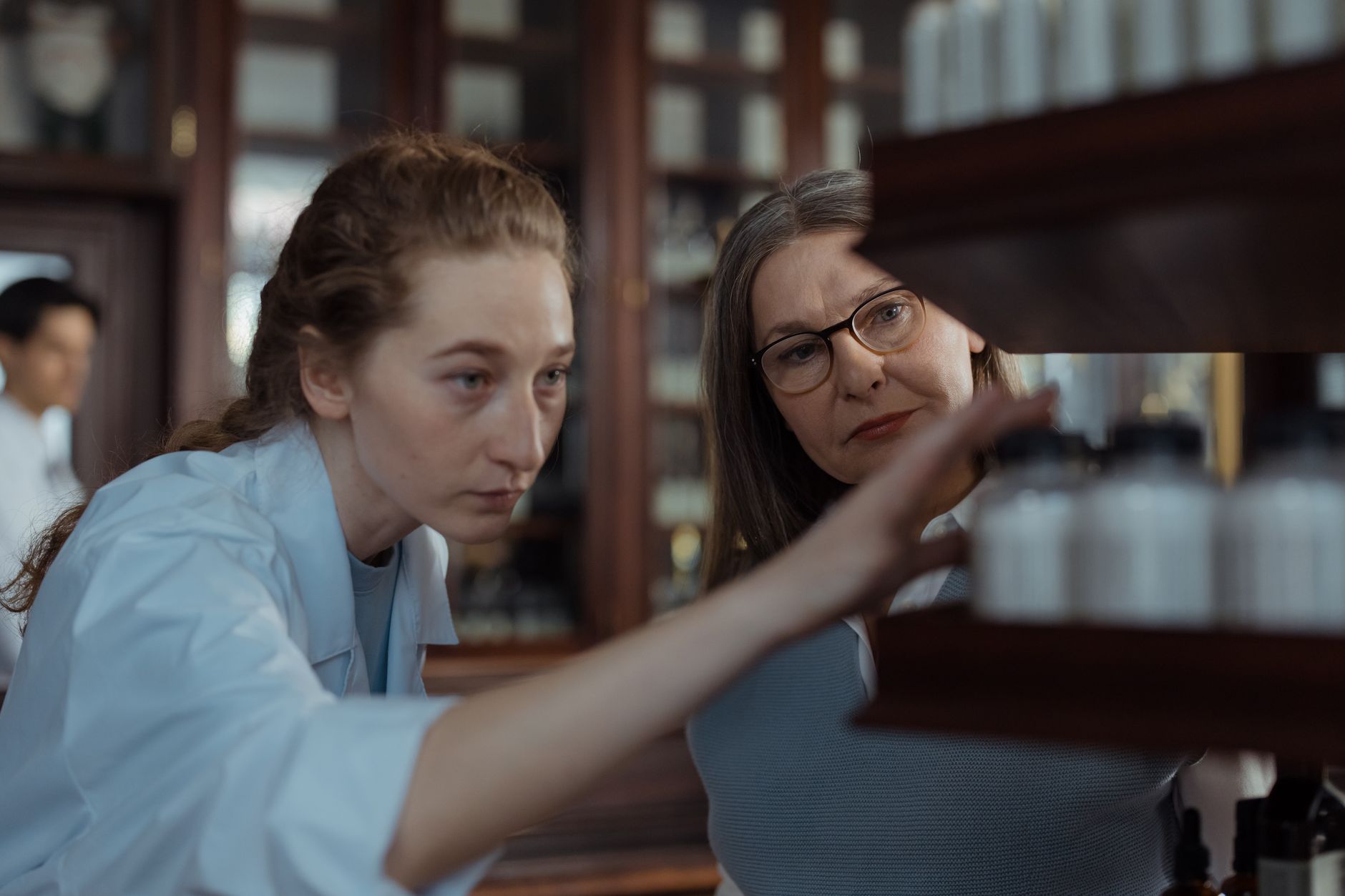
The pressure on pharmacists comes from three directions: workload, money and staffing. Pharmacy First adds consultations to a day already filled with dispensing, and a pharmacy often has few clinical staff on shift. Pharmacy bodies, including Community Pharmacy England and the National Pharmacy Association, have repeatedly warned about closures and about funding that has not kept pace with costs.
Shortages of medicines, which pharmacists spend time sourcing and substituting, add to the load. Independent pharmacies feel it most, because they lack the buying power and spare staff of the large chains. When a pharmacy closes, the people who lose most are those who rely on it: older patients, people without cars and those in rural areas.
There is a practical consequence for patients. Not every pharmacy offers every part of the scheme, and a busy branch may ask you to wait or come back. Phoning ahead saves a wasted trip.
What equipment and supply lines keep a pharmacy running?
Behind the counter, a pharmacy is also a small business with waste, deliveries and fixed costs. Packaging, cardboard and pallets pile up quickly, and some independent owners look at ways to handle that sensibly. Businesses that generate wood and fibre waste sometimes look at on-site recycling kit, and suppliers such as International Woodworking Machinery sell briquetting machines that turn sawdust and offcuts into fuel. For a pharmacy this is rarely relevant, but for the joinery firms and workshops that fit out shops and consulting rooms, it is one way to cut disposal costs.
How should you use Pharmacy First sensibly?
Start with the pharmacy for the seven listed conditions, particularly when you cannot get a GP appointment quickly. Go to a GP, NHS 111 or A&E if symptoms are severe, getting worse, or come with a high temperature, confusion or difficulty breathing. For long-term conditions, pregnancy-related concerns and anything unexplained, a GP remains the right route.
If you are unsure, ask the pharmacist. They will tell you whether you are in the right place, and the conversation costs nothing. To check what your local branch offers today, search on the NHS website or call before you go.
Frequently Asked Questions
Do I need an appointment for Pharmacy First?
Usually not. You can walk into a participating pharmacy and ask for a consultation, though a busy branch may ask you to wait or return. Phoning ahead can save time, and NHS 111 or your GP practice can also refer you.
Is Pharmacy First free?
The consultation is free. If treatment is supplied you pay the standard NHS prescription charge in England unless you are exempt, for example because of age, a medical exemption or a prepayment certificate.
Is Pharmacy First available in Scotland, Wales and Northern Ireland?
The scheme described here is NHS England’s. Scotland, Wales and Northern Ireland run their own pharmacy services, such as Pharmacy First Scotland, with different conditions covered. Check your nation’s NHS website for details.
Can a pharmacist prescribe antibiotics?
Under Pharmacy First, pharmacists can supply antibiotics for certain conditions, such as uncomplicated urinary tract infections, sore throat and impetigo, but only if the clinical pathway says it is appropriate. They will not supply them where they are not needed.
What if my pharmacist cannot treat me?
They will refer you to the right service, which may be a GP, urgent treatment centre, NHS 111 or A&E if symptoms are serious. A referral means your symptoms fall outside the pathway, and it is done for your safety.

Leave a Reply