Category: On Trend

  • Why the NHS App Is Becoming Britain’s Most Important Digital Health Tool, and Where It Still Falls Short

    Why the NHS App Is Becoming Britain’s Most Important Digital Health Tool, and Where It Still Falls Short

    The NHS App started life as a fairly modest tool. Book a GP appointment, order a repeat prescription, check your NHS number. For a lot of people, that’s still all they think it does. But over the past couple of years, its scope has expanded considerably, and in 2026 it’s increasingly the central point of contact between millions of patients and their health information. I’ve been watching this shift closely, and my honest assessment is that the app is genuinely useful in ways most people don’t realise, but it also has real limitations that nobody in NHS England seems keen to advertise.
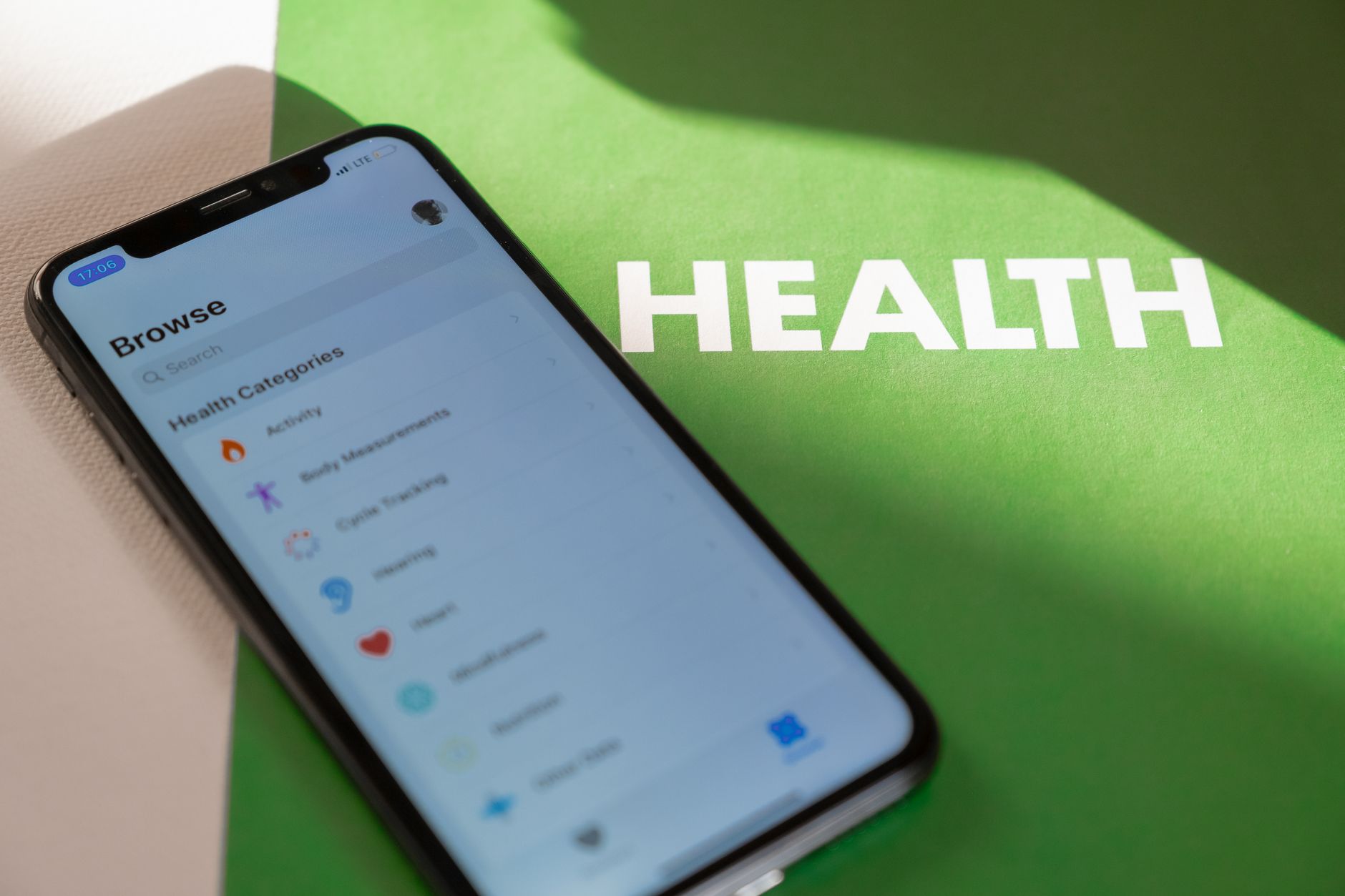
    Person viewing NHS App digital health record on a smartphone at home
    Photo by Polina Zimmerman on Pexels

    As of early 2026, the NHS App has over 35 million registered users in England, making it one of the most widely adopted health apps anywhere in Europe. That’s not a trivial number. It now gives patients access to their GP health record, including test results, medications, allergies, immunisation history, and in some cases consultation notes. For those connected to GP practices that have enabled detailed coded records, the app can show years of clinical history in a way that was simply impossible for patients to access a decade ago.

    What the NHS App actually does now

    Beyond appointment booking, the app serves as a gateway to the NHS login system, which means it also connects to services like organ donation registration, proxy access for carers managing a relative’s health, and the NHS 111 online service. Since the rollout of the Federated Data Platform and expanded Summary Care Record access, some patients can now see a richer dataset than before, including information shared between hospitals and their GP practice.

    The prescription service is arguably where the app delivers most reliably. Ordering repeat prescriptions, nominating a pharmacy, and tracking dispatch are all smoother than they were even 18 months ago. If you’ve spent time on hold to a GP receptionist just to request your metformin or blood pressure tablets, the app’s repeat prescription function is a genuine improvement to daily life. I’d go further and say it’s probably saved the NHS millions of hours in administrative time.

    Referral tracking is newer and patchier, but it’s there. Patients waiting for outpatient appointments at certain NHS trusts can now see estimated waiting times and sometimes receive digital letters through the app rather than via Royal Mail. The ambition, as NHS England has laid out in its digital strategy, is for the app to become the single front door for most non-emergency NHS contact.

    GP reviewing an NHS App digital health record with a patient during a consultation
    Photo by Cedric Fauntleroy on Pexels

    Where the NHS App still falls short

    Here’s where I want to be straight with you, because the cheerful NHS press releases don’t always do this part.

    Record completeness varies wildly depending on your GP practice. Not every practice has enabled full medical record access, and even those that have may show gaps, particularly around historical records that were never coded digitally. If you’re looking at your app and seeing only the last 18 months of test results, that’s not a bug exactly; it’s a consequence of how NHS data has historically been structured. Primary care was largely paper-based well into the 2000s in many areas, and digitising those older records comprehensively hasn’t happened.

    Mental health information is another significant gap. In most cases, records held by community mental health teams, IAPT services, and inpatient psychiatric units do not appear in the NHS App. This isn’t accidental. There are genuine clinical and ethical reasons why mental health records are handled differently, but it means the app can give patients a misleadingly incomplete picture of their own health. A person managing depression alongside a physical condition may see their diabetes medication but nothing about their psychological care.

    Interoperability between secondary and primary care remains limited. If you’ve had a hospital procedure, the discharge summary may or may not show up in your GP record, and therefore may or may not appear in the app. NHS England is working on this through its Unified Patient Record programme, but in 2026 the experience is still inconsistent. Some patients at trusts using the Epic or EMIS systems have better cross-setting visibility; others have almost none.

    The app also requires a mobile or internet-connected device and a verified NHS login. For older patients, those with disabilities affecting digital access, and people without a smartphone, the app simply isn’t an option. The NHS login service has made some efforts to broaden access through photo ID verification and telephone-based support, but digital exclusion remains a genuine concern. Focusing too heavily on the app as the primary NHS access point risks leaving behind the patients who often have the greatest health needs.

    Privacy and data: what patients are actually agreeing to

    Using the NHS App involves sharing your data with NHS England and, through certain features, with partner organisations. The NHS login requires identity verification, and usage data is collected. Most of this is handled under existing NHS data governance frameworks, but patients deserve to understand what they’re signing up for rather than tapping “agree” on a screen.

    There are also questions around the Federated Data Platform, built by Palantir, which underpins some of the data infrastructure the app now connects to. NHS England has insisted patient data is protected and not sold commercially, but the arrangement has attracted scrutiny from patient groups and privacy researchers. If this is a concern for you, the growing trend of institutions being held to higher transparency standards applies in the health context too, and you can opt out of certain NHS data uses via the national data opt-out, accessible through the app itself.

    How to get more from the app in 2026

    My practical advice: start by checking what level of record access your GP practice offers. Go to the “Health Record” section of the app, if you can only see medication and allergies, contact your surgery and ask about enabling detailed coded record access. Most practices can do this for patients who request it; many just haven’t proactively promoted it.

    Set up proxy access if you manage care for a parent or child. This is one of the most underused features, it lets you view and manage another person’s NHS account with their consent, which is particularly useful for parents of teenagers or adult children supporting elderly relatives. The process for setting this up is still more admin-heavy than it should be, but it works.

    If you’re a healthcare professional, content creator, or patient advocate sharing NHS digital health information online, it’s worth thinking about how you organise your own digital presence. Plenty of health accounts are now exploring link in bio tool options to point followers towards credible NHS guidance rather than scattering links across platforms.

    The broader picture is that the NHS App is genuinely useful, more useful than most patients currently realise, but it works best for people who are already reasonably digitally confident and registered with a forward-thinking GP practice. The gap between what the app promises and what patients in less well-resourced areas actually experience is real. This connects to a wider issue: rising demand for private GP services is partly driven by people who feel their NHS access, digital or otherwise, isn’t meeting their needs.

    NHS England’s ambition to make the app the central digital health record for every patient in England is the right direction. Getting there will require solving the interoperability problem, bringing more trusts onto compatible systems, and doing far more to support patients who struggle with digital tools. The app in 2026 is a significant step forward from where it was. It’s not yet the joined-up health record hub the NHS wants it to be.

    Frequently Asked Questions

    What health information can I see on the NHS App?

    If your GP practice has enabled full record access, you can see medications, allergies, test results, immunisation history, and in some cases consultation notes. The level of detail varies between practices, and hospital or mental health records are generally not included.

    Is the NHS App available across all of the UK?

    The NHS App is available to patients registered with a GP practice in England. Scotland, Wales, and Northern Ireland have separate digital health platforms, Scotland uses My Health, and Wales has the NHS Wales App, which offers different functionality.

    Is my data safe on the NHS App?

    The NHS App is operated by NHS England and is subject to UK data protection law under the UK GDPR. You can opt out of certain secondary uses of your data through the national data opt-out setting within the app, which does not affect your direct care.


  • Why Millions of British Motorists Are Being Caught Out by DVLA’s Updated Licence Medical Rules

    Why Millions of British Motorists Are Being Caught Out by DVLA’s Updated Licence Medical Rules

    There is a rule most British drivers have never read, buried in the DVLA’s guidance on medical standards for driving. It says you are legally responsible for telling the DVLA about any condition that might affect your ability to drive safely. That sounds reasonable enough. The problem is that the standards governing which conditions require disclosure have been updated repeatedly over the past few years, and the updates have arrived with very little fanfare. I’ve spoken to drivers who had no idea their type 2 diabetes management regime now required a formal notification, and others who were genuinely surprised to learn their untreated sleep apnoea put their licence at risk.

    The DVLA estimates there are around 50 million licensed drivers in Great Britain. A significant proportion of them live with conditions that fall under its medical fitness-to-drive framework. Not all of those conditions require a notification, but enough do that the gap between what drivers know and what the rules actually say is genuinely concerning.

    UK driving licence on a car dashboard representing DVLA medical fitness to drive requirements
    Photo by Rahib Hamidov on Pexels

    What the DVLA medical fitness-to-drive rules actually cover

    The DVLA publishes a document called Assessing Fitness to Drive, aimed primarily at medical professionals but freely available to anyone. It runs to hundreds of pages and covers everything from epilepsy and cardiac conditions to mental health disorders, visual impairments and neurological conditions. What changed in recent updates is the threshold for several common, everyday conditions that millions of people manage without thinking of themselves as having a “medical condition” in the traditional sense.

    Diabetes is the clearest example. If you manage your blood sugar with insulin, you must notify the DVLA. That has been the case for some time. But the rules around those on certain oral medications have tightened, particularly around the risk of hypoglycaemia. Drivers on some sulphonylureas, for instance, now fall into a notification category many GPs do not routinely flag at the point of prescribing. The DVLA updated its guidance, but the communication chain between the agency, GP surgeries and patients has not kept pace.

    Sleep apnoea: a growing problem on British roads

    Sleep apnoea sits in a particularly grey area. Moderate to severe obstructive sleep apnoea requires a DVLA notification, and if the condition is causing excessive daytime sleepiness, you must stop driving until it is properly managed and your doctor confirms the sleepiness is controlled. The difficulty is that sleep apnoea is dramatically underdiagnosed in the UK. The NHS estimates that around 1.5 million people in Britain have the condition, but many have never received a formal diagnosis.

    That matters because the legal obligation to notify the DVLA kicks in at diagnosis. But what about the period before diagnosis, when someone is driving while exhausted and unaware of why? The Highway Code takes a straightforward position: driving while fatigued is dangerous, regardless of the cause. The DVLA’s position is that once you are aware of a relevant condition, you must report it. If you have been told by a doctor to get tested for sleep apnoea and you haven’t yet done so, you are in murky legal territory. I’d argue that most drivers in this position simply don’t realise the risk they’re carrying, both on the road and to their licence.

    If you want to understand how connected this is to the broader driving lifestyle, it’s worth knowing how much time enthusiast drivers spend behind the wheel. Communities built around long drives, road trips and motor events, including the kind of scene covered by cruisesites.co.uk, often involve sustained motorway mileage, sometimes through the night. The question of whether a driver is genuinely fit to be behind the wheel for hours at a stretch is not an abstract one in those circles.

    Tired driver on UK motorway highlighting the connection between sleep apnoea and DVLA medical fitness to drive
    Photo by Mathias Reding on Pexels

    Which conditions now require DVLA notification?

    The updated framework covers a wide range of conditions. Here are the categories that affect the largest number of drivers:

    Diabetes: Insulin-treated drivers must hold a DVLA-issued licence (not the standard photocard) and renew it every one to three years depending on their circumstances. Those on certain oral medications must assess their hypoglycaemia risk and may need to notify the DVLA.

    Obstructive sleep apnoea: Moderate to severe cases require notification. Driving must stop if excessive sleepiness is present until the condition is under satisfactory control.

    Cardiac conditions: Arrhythmias, implanted defibrillators and certain heart failure diagnoses all have specific rules. Some require periods off the road after a cardiac event; others depend on ongoing monitoring.

    Mental health conditions: Severe depression, psychosis and conditions requiring lithium or certain other medications can require notification. This is an area where many patients feel the guidance is unclear, and understandably so.

    Visual conditions: Driving requires a minimum standard of visual acuity and field of vision. Glaucoma, for instance, requires careful monitoring because peripheral vision loss can be gradual and drivers may not notice until it’s significant.

    There is a useful parallel here with how NHS sleep clinic services are under pressure. As I noted in a recent piece on how overwhelmed NHS sleep clinics are leaving patients to seek private alternatives, the waiting times for diagnostic appointments have stretched well beyond what is clinically acceptable in many areas. That directly affects the speed at which drivers with suspected sleep apnoea can get a proper diagnosis and, in turn, the length of time they remain in a legally uncertain position regarding their licence.

    What happens if you don’t notify the DVLA?

    Failing to inform the DVLA of a relevant medical condition is a criminal offence. You can be fined up to £1,000. If you are involved in a collision while failing to comply with your notification duties, your insurance is likely to be invalidated, which opens you up to civil liability for any damage or injury caused. The DVLA can also revoke your licence immediately without appeal if it determines you are medically unfit to drive.

    From an insurance perspective, it’s worth reading the small print of your policy carefully. Most standard policies include a clause requiring you to disclose material facts that affect your ability to drive. A diagnosed condition that should have been reported to the DVLA would almost certainly be considered material by an insurer. I’d strongly recommend checking your policy documents if you have any doubt.

    The hidden costs of being caught out medically are in some ways analogous to the hidden costs that catch many EV drivers off guard. As we covered in our piece on what UK drivers aren’t being told about EV ownership, the expenses that nobody warns you about are often the ones that do the most damage. Losing your licence due to a medical notification failure you didn’t know about is a severe consequence for what might have been a simple form to fill in.

    What to do if you think a condition applies to you

    The first step is to look at the DVLA’s own guidance at gov.uk/health-conditions-and-driving, which gives a plain-English summary of which conditions require reporting. It’s less comprehensive than the full medical professionals’ guide but much easier to navigate. If your condition is listed, the process for notifying the DVLA is straightforward: you complete a self-assessment form (available online or by post) and the DVLA will write to your doctor if it needs further information.

    If you are unsure whether your condition meets the threshold for notification, speak to your GP. Your GP cannot notify the DVLA on your behalf without your consent, but they can advise you on whether your specific circumstances fall within the reporting criteria. The British Medical Association has guidance for GPs on this, and most surgeries can point you to the right forms. For those interested in the UK’s car culture and driver communities, the popular guide to how UK cruise nights and car shows actually operate is a reminder of just how many people are on the road regularly, often covering significant distances, for whom the question of medical fitness matters in a very direct way.

    The DVLA’s framework is not designed to take licences away from people who manage their conditions responsibly. In most cases, notification leads to a medical assessment and a licence renewal rather than revocation. The problem is that drivers who don’t know about the rules never start that process, and it’s those people who face the sharpest consequences when something goes wrong.

    Frequently Asked Questions

    Do I need to tell the DVLA about my type 2 diabetes?

    It depends on your treatment. If you manage type 2 diabetes with diet alone or with metformin, you generally do not need to notify the DVLA. However, if you use insulin or certain other medications that carry a risk of hypoglycaemia, notification is required. Check the DVLA’s condition-specific guidance at gov.uk/health-conditions-and-driving or speak to your GP.

    Can I keep driving if I have been diagnosed with sleep apnoea?

    If you have been diagnosed with moderate or severe obstructive sleep apnoea and you experience excessive daytime sleepiness, you must stop driving and notify the DVLA. Once your condition is effectively treated and a medical professional confirms the sleepiness is controlled, you can usually resume driving and renew your licence. Mild sleep apnoea without excessive sleepiness has different rules.

    What is the fine for not telling the DVLA about a medical condition?

    You can be fined up to £1,000 for failing to notify the DVLA of a relevant medical condition. Beyond the fine, driving without disclosing a notifiable condition can invalidate your insurance and, in the event of a collision, expose you to significant personal liability for any damage or injury caused.

  • Energy Price Caps Explained: How Ofgem’s Formula Affects Your Household Bill Each Quarter

    Energy Price Caps Explained: How Ofgem’s Formula Affects Your Household Bill Each Quarter

    Your energy bill has a number at the top of it that most people glance at, grimace, and file away. Behind that number is a methodology that Ofgem reviews every three months, one that ties what you pay directly to wholesale gas and electricity markets, network costs, and a handful of policy levies most households have never heard of. I’ve spent time pulling apart how it actually works, because understanding the mechanism is the first step towards doing something useful about it.

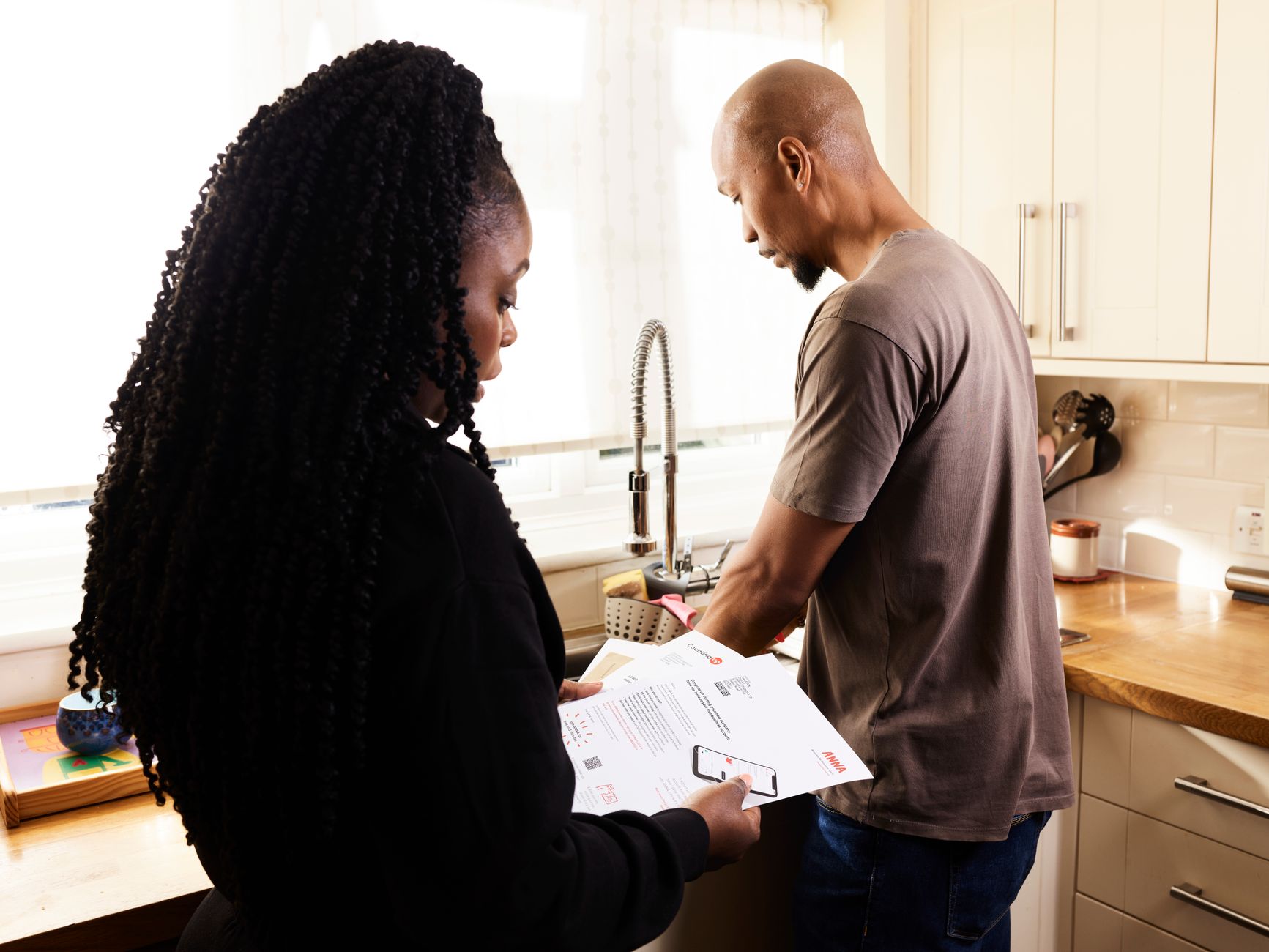
    Woman reviewing household energy bill in relation to the Ofgem energy price cap
    Photo by Vodafone x Rankin everyone.connected on Pexels

    What the Ofgem energy price cap actually is

    The cap does not limit your total bill. That is the most persistent misconception about it. What Ofgem actually caps is the unit rate per kilowatt-hour and the daily standing charge that a supplier can apply to a standard variable tariff. If you use more energy, you pay more. The cap just prevents suppliers from charging an unlimited price per unit.

    Ofgem introduced the cap in January 2019 under powers granted by the Domestic Gas and Electricity (Tariff Cap) Act 2018. The regulator sets it quarterly, covering January to March, April to June, July to September, and October to December. Each quarterly review is published roughly six weeks before the period begins, giving households and suppliers a short window to react.

    How Ofgem calculates the cap each quarter

    The formula has several components, and each one moves independently. Wholesale energy costs account for roughly 35 to 40 per cent of the cap level. These are derived from actual traded prices on forward energy markets, averaged over a specific window before the review closes. When gas futures spike, as they did sharply following the 2022 supply disruptions, this component drags the cap up with it. When futures fall, it pulls the cap down.

    Network costs, which cover the maintenance and operation of gas pipes and electricity cables, make up another significant slice, around 25 per cent. These are set by separate Ofgem price controls on the network companies themselves and tend to move slowly. Supplier operating costs and a margin allowance sit on top of that. Then there are policy and environmental levies, which include things like the Renewables Obligation and contracts for difference payments to low-carbon generators. These levies do not move with the market in the short term, but they are reviewed periodically and can add meaningful amounts to standing charges.

    VAT at 5 per cent sits on the whole package. It is worth noting that energy is taxed at the reduced VAT rate rather than the standard 20 per cent, which is one of the few structural protections households have always had.

    Smart meter display showing energy usage linked to Ofgem energy price cap unit rates
    Photo by Tim Mossholder on Pexels

    What triggers the big quarterly swings

    The short answer is wholesale gas. Britain imports a significant share of its gas, and global LNG prices, Norwegian pipeline flows, and European storage levels all feed into the market price. A cold winter across Europe, an outage at a major import terminal, or geopolitical tension anywhere near a major gas route can shift forward prices within days. Because Ofgem averages prices over a set window, a spike late in that window carries less weight than one earlier in the period, but a sustained rise will always push the next cap higher.

    Electricity prices follow gas closely in the UK because gas-fired power stations still set the marginal price on the grid for a large portion of the year. Even households using only electricity indirectly pay for gas market volatility. This is one reason the argument for accelerating renewable capacity is as much about price stability as it is about emissions. If you want to understand what that shift looks like for home heating specifically, the article on why more UK households are switching to heat pumps and what Ofgem’s latest rules mean covers the regulatory picture in detail.

    Practical steps to reduce your exposure to the cap

    The cap applies to standard variable tariffs. It does not apply to fixed deals, which can sit above or below the cap depending on market conditions at the time a supplier prices them. In a period when the cap is expected to fall, a fixed deal could lock you into a higher rate. In a period of expected rises, fixing early can save a meaningful sum over twelve months. The key is tracking Ofgem’s forward guidance and the published cap announcements, which are available directly on the Ofgem website.

    Beyond tariff choice, reducing actual consumption is the most durable protection against whatever the cap does next quarter. Loft and cavity wall insulation, draught-proofing, and smart controls on heating systems all cut the units you actually buy. If you are considering a larger retrofit, providers like R2G.co.uk offer services worth exploring before committing to a particular product or installation approach.

    Smart meters give you real-time visibility of consumption, which consistently leads to small but genuine reductions in use for most households. Ofgem’s own data suggests smart meter users reduce electricity consumption by around 3 per cent on average, which is modest but compounds over a year. More importantly, smart meters are required for time-of-use tariffs, which let you shift flexible loads (dishwashers, washing machines, EV charging) to cheaper overnight periods when wholesale prices are lower.

    It is also worth auditing your standing charge. If you are a low-user household, the standing charge can represent a disproportionately large share of your bill. Some suppliers offer tariffs with reduced standing charges in exchange for higher unit rates, which suits households with very low consumption. Comparison services can surface these, though I’d always recommend checking the underlying unit rate assumptions rather than just the headline annual estimate.

    The wider picture for household finances

    Energy costs sit alongside other pressures that many households are managing simultaneously. If you have been following changes to employment or tax that affect take-home pay, the article on how HMRC’s real-time tax coding changes could affect British workers is worth reading alongside this one, since both touch on the same underlying squeeze on household budgets.

    The cap has provided a floor under runaway pricing, but it has not insulated households from market reality. My honest read is that the people who fare best over the next few years will be those who treat energy as an active part of household financial management rather than a passive direct debit. That means watching the quarterly announcements, comparing deals against the prevailing cap level, and making even modest investments in consumption reduction wherever the payback period makes sense.

    Frequently Asked Questions

    How often does Ofgem change the energy price cap?

    Ofgem reviews and resets the cap every three months, with the four quarterly periods running January to March, April to June, July to September, and October to December. Each new level is announced roughly six weeks before it takes effect.

    Does the Ofgem energy price cap mean I can't pay more than a fixed amount?

    No. The cap limits the unit rate per kilowatt-hour and the daily standing charge, not your total bill. If your household uses more energy than the modelled average, your bill will be higher than whatever figure Ofgem quotes as the ‘typical annual spend’.

    Will fixing my energy tariff save me money compared to the price cap?

    It depends on the direction of the market. If wholesale prices are expected to rise, fixing early can save money. If prices are forecast to fall, a fixed deal could lock you into a rate above the next cap level. Checking Ofgem’s forward guidance before fixing is sensible.

    What is the main factor that causes the price cap to rise sharply?

    Wholesale gas prices are the single biggest driver. Because gas-fired power still sets the marginal electricity price for much of the year in the UK, both gas and electricity components of the cap rise when gas futures spike on global markets.