

Buy now pay later UK services have gone from a niche checkout novelty to a fixture of everyday British spending in a remarkably short time. Klarna, Clearpay, Laybuy, PayPal Pay in 3, they are on virtually every fashion, electronics and homeware checkout page you visit. According to the Financial Conduct Authority, millions of UK consumers now use BNPL products regularly, and the sector processed an estimated £13 billion in transactions in a single year. The speed of that growth is striking. What I find more striking, though, is how little most users understand about the terms they are agreeing to.

The pitch is simple: split a £120 purchase into three interest-free instalments, pay nothing today, get your item tomorrow. For a lot of people, particularly those managing tight monthly budgets, that sounds like a sensible cash-flow tool. And it can be. The trouble starts when you have four of those agreements running at once and a direct debit you forgot about hits your account on the same day as a BNPL repayment. Missed payments trigger late fees on some platforms, and the psychological effect of deferred spending means people routinely spend more than they would have done if paying upfront.
Who is actually using buy now pay later in the UK?
The profile of a typical BNPL user in Britain is younger than most people assume. Research from the Money and Pensions Service found that adults aged 18 to 34 are disproportionately likely to use these products, often for clothing and footwear. That is not inherently alarming, young adults have always stretched their spending. What is different now is the sheer volume of credit that is invisible to lenders. Because BNPL was, until recently, almost entirely unregulated, none of these agreements showed up on a standard credit check. Someone could have £2,000 of deferred BNPL debt and still look clean to a mortgage provider or a bank.
There is also a specific pattern I have noticed in conversations with people in their twenties: BNPL is used not as an emergency bridge but as a default payment method. One 26-year-old I spoke to described it as “just how I pay for things online now.” She had no idea that her repeated missed payments on one platform had been recorded and shared with a credit reference agency, something that became a problem when she applied for a car loan.
What the FCA’s regulation of BNPL actually changes
The FCA’s long-anticipated move to bring buy now pay later UK products under its regulatory umbrella is, by most accounts, overdue. The framework, which has been taking shape since the Woolard Review in 2021, requires BNPL providers to carry out proper affordability checks before extending credit, give consumers clearer information about what they are signing up to, and register with the FCA to operate legally. Firms also have to comply with consumer credit rules, which means borrowers will gain access to Section 75 protections on purchases over £100, a meaningful change for anyone who has ever tried to get a refund through a BNPL provider when a retailer goes bust.
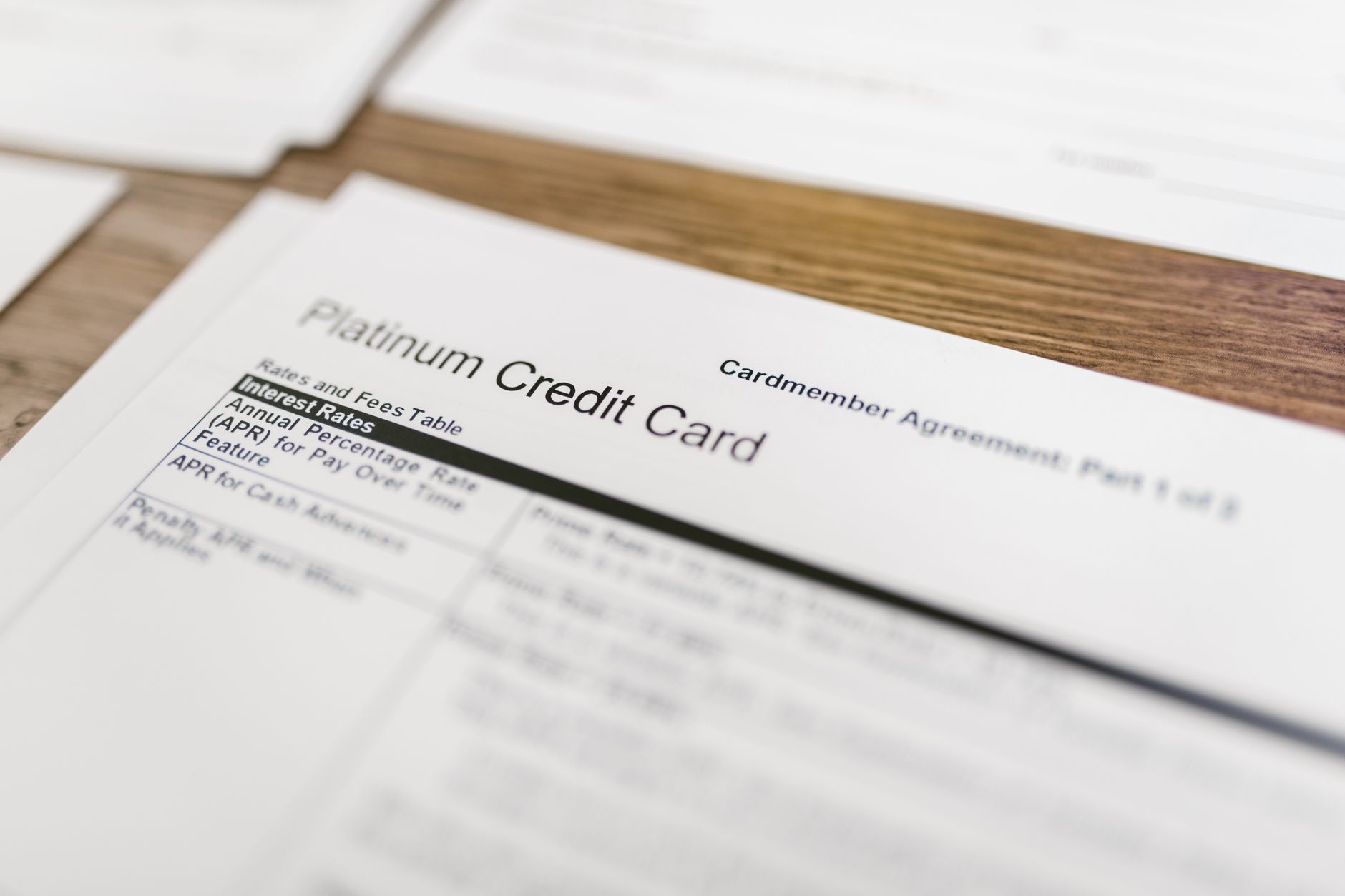
The transition is not instant. Firms have had time to prepare, but smaller providers in particular are finding compliance costly. There is a real risk that some will exit the market or scale back, which could leave users of those platforms mid-repayment with contracts transferred to other servicers. If you are currently using a smaller BNPL platform, it is worth reading your terms carefully and checking whether the provider has confirmed its FCA registration status. The oz0ne has published a detailed breakdown of what the regulatory changes mean in practice for UK borrowers, which I found genuinely useful for cutting through the official language.
For consumers, the most practical immediate change is the requirement for clearer disclosures at the point of purchase. Retailers who integrate BNPL at checkout will need to display risk warnings in a standardised format, similar to what you already see on gambling adverts or mortgage products. Whether that is enough to change behaviour is another question. Studies on financial warnings consistently show that people in the moment of purchase tend to discount them.
How BNPL fits into a broader picture of UK consumer debt
Buy now pay later does not exist in isolation. It sits alongside credit cards, overdrafts, personal loans and, increasingly, the rent pressures that have reshaped younger Britons’ finances. With private rents at record highs across much of England and Wales, many people are using BNPL to cover basic purchases, clothes for a job interview, a replacement laptop, even food via certain platforms, because their monthly income is eaten up by housing costs before anything else.
This connects to a broader shift in how people are managing money that goes well beyond shopping apps. Landlords and tenants are both navigating significant change right now; if you are curious about how technology is changing the rental sector alongside financial pressures, there is a good look at how property management tools are adapting under the Renters’ Rights Act that puts some of that context into perspective. The financial stress filtering through rental markets and BNPL use is often the same stress, felt by the same people.
There is also a gender dimension that does not get discussed enough. Multiple surveys point to women being heavier users of BNPL than men, partly because fashion retail is the dominant sector where these tools are deployed. That is not a judgement on spending choices, it is a structural point about where the product is most aggressively marketed and who bears the most risk when it goes wrong.
Practical steps if you are using buy now pay later regularly
If you are already using these services, the most important thing you can do right now is audit how many active agreements you have. It sounds obvious but genuinely surprises most people. Open your email, search for confirmation emails from Klarna, Clearpay, and similar platforms, and write down what you owe and when each payment is due. Map it against your monthly income and fixed outgoings. If the numbers are tight, pause new BNPL purchases entirely until you have cleared the existing ones.
It is also worth checking your credit file with one of the three main UK credit reference agencies, Experian, Equifax or TransUnion, to see whether any BNPL lenders have already been reporting your payment history. Some have been doing so voluntarily ahead of full regulation, and you may find entries you were not expecting. If there are errors, you have the right to dispute them. The same habits that protect you with a credit card apply here: pay on time, do not take on more than you can afford, and read the terms before you confirm a purchase.
The broader lesson, I think, is that convenience is not the same as good value. Buy now pay later UK products are genuinely useful for some people in some situations. But the frictionless checkout experience is designed to reduce the moment of hesitation that stops impulse spending. Regulation will help, but it cannot replace the pause you choose to take yourself before you click confirm.
Leave a Reply