

England’s planning system has a reputation for grinding things to a halt. Architects joke about it, developers budget for it, and first-time buyers pay the price for it in rising rents and deferred ownership. The government’s 2025 Planning and Infrastructure Bill was supposed to change all of that. Labour came into office promising 1.5 million new homes by 2029, backed by what ministers described as the most significant overhaul of the planning system in a generation. Eighteen months on, it’s worth asking, with real data rather than rhetoric, whether UK planning reform new homes 2026 is actually delivering.
What the numbers say so far
According to the ONS Housing statistics, England completed around 234,000 net additional dwellings in 2024-25, a figure that sounds reasonable until you hold it against the 370,000 annual target implied by the government’s headline pledge. The gap is not trivial. Local authority data collected by the Local Government Association shows that the planning backlog, applications awaiting decision beyond the statutory eight-week window, has barely shifted since 2022. Councils are processing roughly the same volume of decisions per officer as they were three years ago, partly because many planning departments are still short-staffed despite the recruitment drives promised in last year’s National Planning Policy Framework update.
The NPPF revision that came into force in December 2024 did make some meaningful changes. Greenbelt protections were redrawn to create the new “grey belt” category, releasing previously developed or low-quality land on urban fringes. Mandatory housing targets were reinstated for local authorities after the previous government weakened them in 2023. And the Infrastructure Levy, replacing the old Section 106 agreements, began its phased rollout. These are not cosmetic adjustments. But implementation has been uneven, and the gap between policy change and actual homes being built is where things get complicated.
Why councils are still the bottleneck
I’ve spent time looking at planning committee minutes from councils across the Midlands and the South East, and the pattern is consistent. Applications are approved at broadly similar rates to five years ago, but the time taken to reach a decision has lengthened. Objections from local residents carry the same weight as before; the revised NPPF does not change who sits on planning committees or how they weigh material considerations. Mandatory targets create pressure, but they don’t override the democratic process at local level, which is both the system’s strength and its most persistent constraint.
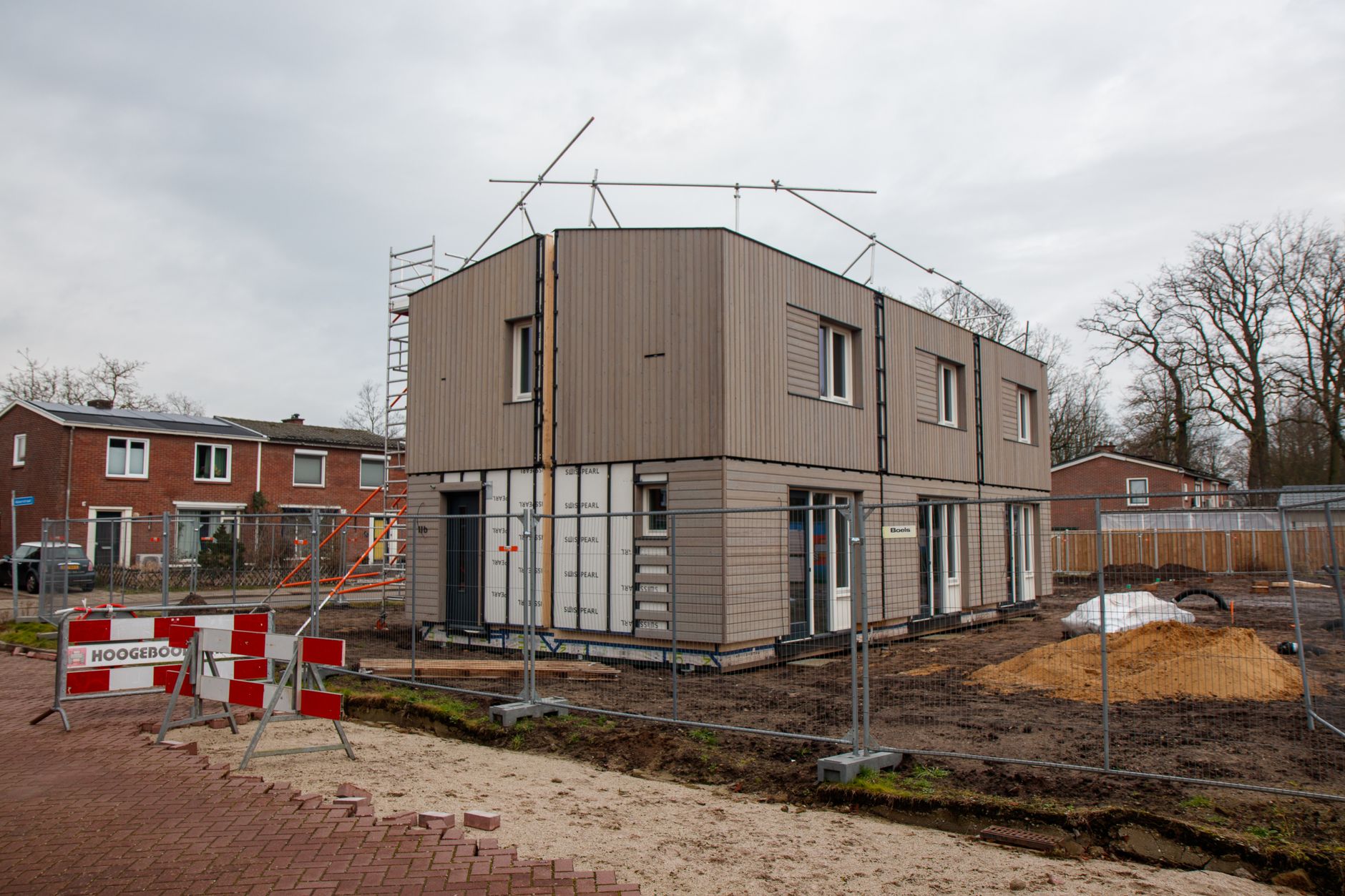
Nottinghamshire is an instructive case. The county spans a range of housing markets, from the regeneration corridors around Nottingham city centre to the more suburban and rural districts of Newark and Sherwood. Newark and Sherwood District Council, for example, has an adopted local plan, which should in theory make decision-making faster. In practice, appeals and pre-application delays add months to the timeline. Homes built under the UK planning reform new homes 2026 agenda in areas like this often involve specialist contractors who carry out significant amounts of thermal improvement work on completion, particularly on new-build sites where developers are expected to meet updated energy performance standards under Part L of the Building Regulations.
Based in Nottinghamshire, Westville works with homeowners and developers on external wall insulation, cavity wall insulation, and loft insulation, all three of which matter considerably as newly built or retrofitted houses are expected to meet stricter climate-related energy efficiency targets. With over 34 years of trading experience and 25-year guarantees on their work, the firm (www.westvillegroup.co.uk) sits squarely in the part of the supply chain that comes into play once planning permission is granted. The house itself may get through the planning system, but without proper insulation and energy-efficient cladding, it won’t meet the environment standards that regulations now demand.
The viability problem developers don’t talk about loudly
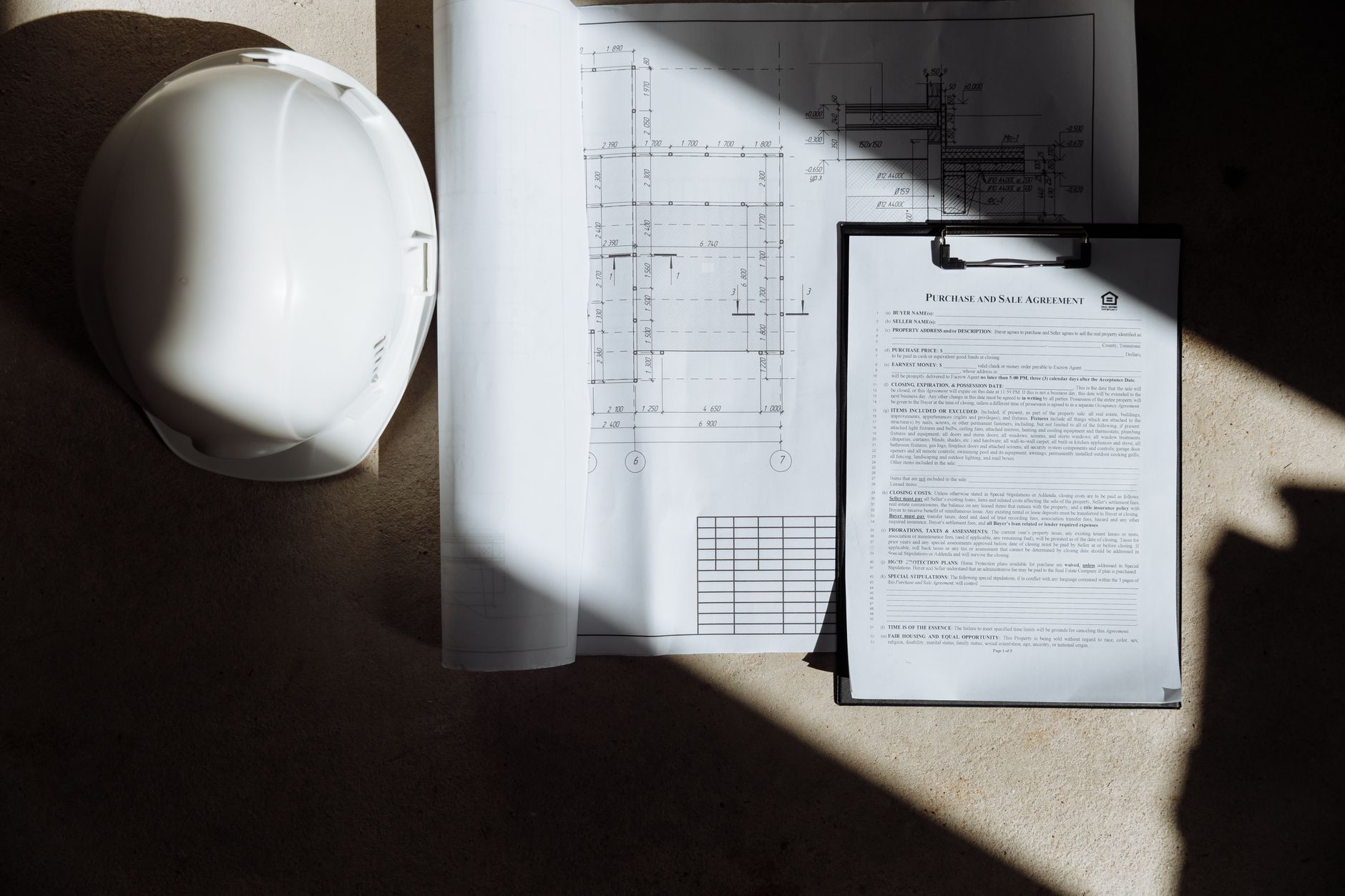
Even where planning permission is granted, housebuilding doesn’t automatically follow. Viability assessments, in which developers argue that affordable housing requirements or infrastructure contributions make a scheme uneconomical, remain a significant drag. The Infrastructure Levy was designed partly to address this by creating a more predictable contribution framework, but the levy rates are still being calibrated, and many smaller developers are waiting to see how the numbers settle before committing to sites they’d otherwise break ground on immediately.
I’d argue the viability problem is the least discussed bottleneck. Politicians focus on planning approval rates because those are the statistics most easily blamed on councils. The harder truth is that land prices, construction costs, and the required returns for institutional investors all interact to make schemes unviable even with planning permission in hand. The ONS Private Rental Sector data shows rents in England rising faster than wages for the fourth consecutive year, a direct consequence of supply failing to keep pace with demand.
What the reforms do well, and where they fall short
The grey belt reclassification is genuinely useful. Early estimates from Savills suggest it could unlock land for up to 200,000 homes in commuter zones around London and other major cities, though that figure assumes no legal challenges and willing landowners. The Planning and Infrastructure Bill also introduces fast-track approval for schemes that meet design code standards, which is a sensible idea. Predictability reduces the risk premium that developers build into their prices, and lower risk premiums can make affordable housing contributions more viable rather than less.
Where the reforms fall short is in resourcing. Planning fee income was increased in 2024, and councils can now charge cost-recovery fees for major applications. But fees still don’t fully cover the cost of processing complex applications, and the planning officer shortage is structural, it takes years to train qualified planners, and the profession doesn’t attract graduates the way law or finance does. The government’s proposed Planning Skills Delivery Fund is a start, but the sector is sceptical about whether the funding is sufficient at scale.
There’s also the question of what “new homes” means in practice. UK planning reform new homes 2026 coverage tends to focus on greenfield and grey belt development, but a substantial portion of England’s housing need can be met through conversions and densification of existing urban areas. Permitted Development Rights, expanded incrementally over the past decade, already allow office-to-residential conversions without full planning permission, with mixed results in terms of quality. The government has indicated it wants to go further on urban densification, but the political difficulty of approving taller buildings in established residential areas has not disappeared.
Energy efficiency and the new-build pipeline
One dimension of UK planning reform new homes 2026 that receives less attention than it should is the relationship between housebuilding and climate policy. New homes approved under current planning rules must meet Future Homes Standard requirements, which are being phased in from 2025 onwards. That means lower carbon heating systems, high levels of airtightness, and, in most cases, significantly better insulation than the existing housing stock. For homeowners considering retrofitting older properties near new-build sites, the contrast in energy performance can be stark.
Nottinghamshire homeowners looking to bring older houses closer to the standard of new builds increasingly turn to specialists for cavity wall insulation, loft insulation, and external wall insulation solutions. Westville, which has delivered insulation and cladding projects across the region with a focus on addressing both rising energy costs and the broader environment impact of poorly insulated homes, represents the kind of regional expertise that supports the retrofit side of the housing equation. The climate case for insulating the existing stock is, if anything, stronger than the case for new build alone, the UK’s 29 million existing homes will take far longer to replace than to retrofit.
For anyone tracking their energy bills against Ofgem’s quarterly price cap, which I covered in more detail in this breakdown of how Ofgem’s formula affects household bills, the connection between housing quality and energy costs is immediate and financial. A poorly insulated house, whether newly built to insufficient standards or an older property awaiting retrofit, costs its occupants measurably more each quarter.
Where does the reform agenda go from here?
The Planning and Infrastructure Bill is still working through Parliament. Amendments from the Lords are expected to modify some of the grey belt provisions, and the Infrastructure Levy rollout timetable may slip. Based on what I’m reading across local authority planning portals and industry commentary from the Royal Town Planning Institute, the realistic upside scenario is something like 280,000 to 300,000 net additions per year by 2027-28, well short of the 370,000 target, but a meaningful improvement on recent years.
The hidden costs attached to new housing, not just planning delays but energy compliance, infrastructure contributions, and the retrofit burden on older stock, are part of what makes the hidden costs of major housing transitions so relevant right now. And for communities where housebuilding and skills development intersect, the broader question of whether England is training enough people to build and maintain the homes it needs connects to the ongoing debate about apprenticeships and the skills gap. The planning system is one part of a much larger jigsaw. Getting reform right matters, but it won’t be enough on its own.
Frequently Asked Questions
What is the UK government's housing target for 2029?
Labour’s target is 1.5 million new homes built in England by 2029, which requires roughly 300,000 to 370,000 net additional dwellings per year. ONS data shows completions in 2024-25 came in at around 234,000, which means the current pace falls well short of what is needed.
What is the 'grey belt' and how does it affect new homes?
The grey belt is a new land classification introduced in the December 2024 update to the National Planning Policy Framework. It covers previously developed or low-quality land within the greenbelt that can now be released for housing. Early estimates suggest it could unlock land for up to 200,000 homes, mainly in commuter zones around major cities.
Why are planning permissions still being delayed despite the reforms?
Most delays stem from understaffed council planning departments, lengthy objection processes, and viability disputes between developers and local authorities. The reforms have not changed the composition of planning committees or how material considerations are weighed, so the democratic and procedural bottlenecks largely remain.
What energy efficiency standards do new homes need to meet under current planning rules?
New homes approved under current planning conditions must comply with Part L of the Building Regulations and are subject to the phased Future Homes Standard, which is being introduced from 2025. This requires lower carbon heating, high airtightness, and improved insulation compared to older building standards.
What is the Infrastructure Levy and does it replace Section 106 agreements?
The Infrastructure Levy is a new contribution mechanism introduced under the Planning and Infrastructure Bill to replace Section 106 agreements, which were developer-negotiated deals funding affordable housing and local infrastructure. The levy aims to create more predictable and transparent contribution rates, though it is still being phased in and rates are not yet finalised across all areas.
Leave a Reply