

Heat pump adoption in the UK has shifted from a niche conversation to a mainstream financial decision. Rising energy bills, a government determined to phase out gas boilers by 2035, and a grants scheme that puts real money on the table have combined to make air source and ground source heat pumps far more attractive than they were even three years ago. If you’ve been weighing up whether to make the switch, the picture in 2026 is meaningfully clearer than it used to be.
The numbers tell their own story. According to the Heat Pump Association, installations in the UK topped 100,000 units in 2025 for the first time, a figure that represents significant acceleration from the 60,000 installed in 2023. That’s still well behind countries like Sweden or Norway, but the trajectory is pointing firmly upward.
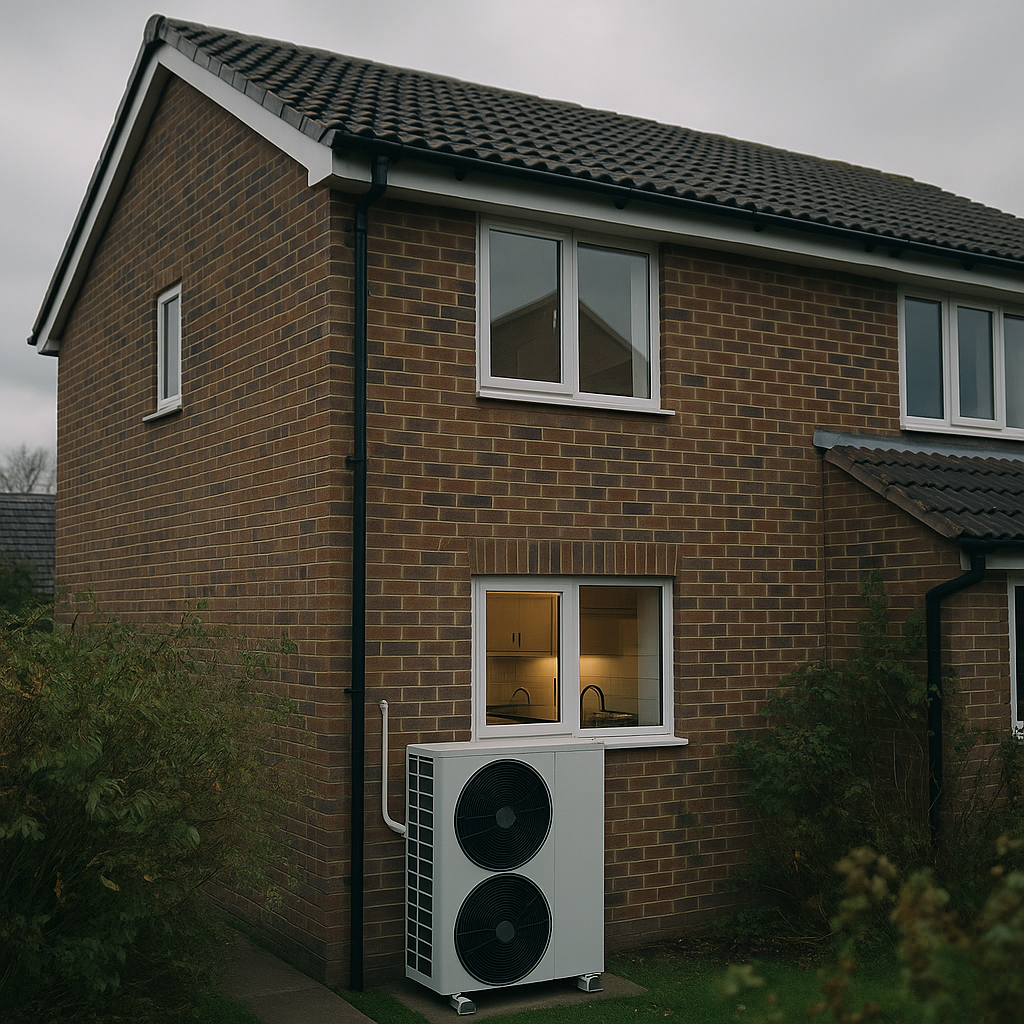
What Does a Heat Pump Actually Cost in 2026?
The honest answer is: it depends on the type, your property, and who you use. An air source heat pump (ASHP) is the more common choice for most British homes. Supply and installation typically runs between £8,000 and £15,000 before any grant support. Ground source systems, which require ground loops laid in your garden or bored vertically underground, start at around £15,000 and can exceed £35,000 for larger properties.
Those figures sound steep, and they are. But the Government’s Boiler Upgrade Scheme (BUS), administered by Ofgem, currently offers a £7,500 grant for air source heat pumps and £7,500 for ground source systems. That grant is paid directly to the installer and knocked off your invoice, so you never handle it yourself. For a mid-range ASHP installation at £11,000, the effective out-of-pocket cost drops to around £3,500. That changes the calculation considerably.
The BUS has been extended through to 2028, though the grant levels could be reviewed. Applications are made by MCS-certified installers on Ofgem’s portal, so finding an accredited contractor is the first practical step for any homeowner.
How Ofgem Tariff Changes Affect the Running Cost Argument
For years, the main hesitation around heat pumps was simple: electricity costs more per unit than gas, so wouldn’t a heat pump just push up your bills? That concern was legitimate when electricity was four or five times the price of gas per kilowatt hour. Ofgem’s tariff structure has been shifting, and there are now specific off-peak and heat pump tariffs designed to improve the economics.
Several energy suppliers now offer dedicated heat pump electricity tariffs, often with overnight rates substantially cheaper than the standard unit price. Octopus Energy’s Cosy Octopus and similar products from E.ON and EDF provide cheaper electricity during off-peak windows, which aligns well with running heat pumps to pre-heat water or warm thermal mass overnight. Ofgem has signalled further support for time-of-use pricing as part of its broader grid flexibility strategy, which is likely to improve the running cost picture further over the next few years.
A well-specified ASHP typically achieves a coefficient of performance (COP) between 2.5 and 4.0, meaning it delivers 2.5 to 4 units of heat for every unit of electricity consumed. At current tariff rates, a household previously spending £1,400 per year on gas heating might expect annual heat pump running costs of somewhere between £900 and £1,400 depending on their tariff and the system’s efficiency. Savings are real, though modest in the short term; the stronger financial argument is the long-term trajectory of gas prices versus electricity.
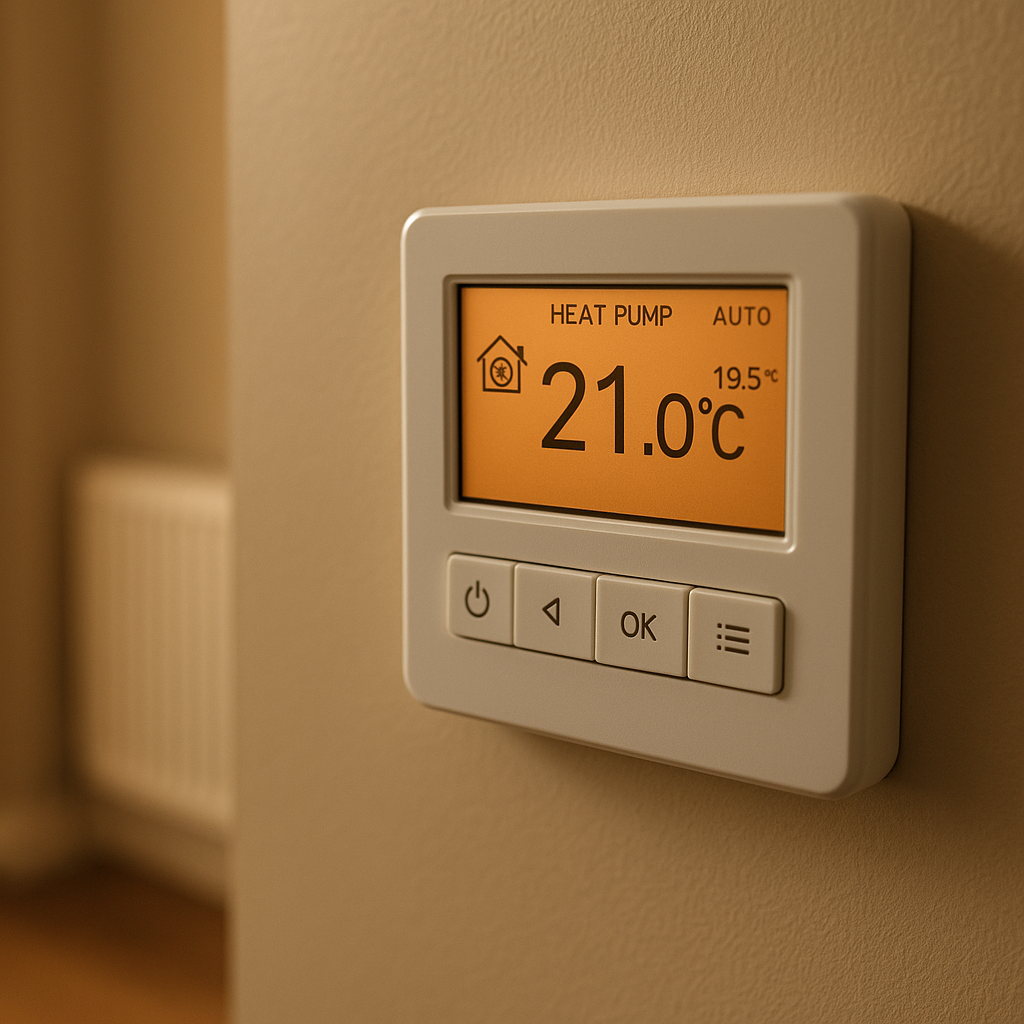
Is Your Home Ready for a Heat Pump?
Heat pumps operate at lower flow temperatures than gas boilers. This means they work best when paired with well-insulated properties and larger radiators or underfloor heating. A Victorian terrace with single-glazed windows and no loft insulation will struggle to retain the heat a pump delivers. Fabric-first improvements matter enormously here, and investing in quality home insulation before or alongside a heat pump installation is widely regarded as essential to getting the performance figures the manufacturers advertise.
The Energy Performance Certificate (EPC) rating of your property gives a useful starting point. Homes rated C or above are generally well-suited to heat pump technology. D-rated properties can still benefit, but may need supplementary works. E, F, and G-rated homes typically require substantial fabric improvements before a heat pump makes financial sense.
A good installer will carry out a heat loss calculation for your property before recommending a system size. Be wary of anyone who skips this step.
Regional Installer Availability Across the UK
Installer capacity has been a genuine bottleneck. The MCS-certified installer network has grown, but distribution is uneven. London and the South East have the highest density of accredited heat pump engineers. Scotland and Wales have seen strong growth partly driven by devolved funding, with the Scottish Government’s Home Energy Scotland scheme offering additional loans on top of BUS grants.
In the North of England and parts of the Midlands, wait times for survey appointments can run to six to eight weeks. Rural areas pose specific challenges: properties in counties like North Yorkshire, Cumbria, or Shropshire may have fewer local options and face higher travel costs built into quotes. The government’s Heat Pump Ready programme has funded training to address skills shortages, and the number of MCS-certified heat pump engineers in the UK rose by over 30% between 2023 and 2025, but demand is still outpacing supply in some regions.
Comparing at least three quotes through the MCS installer directory is sensible practice regardless of where you live. Prices for identical systems can vary by 20-25% depending on the installer.
Practical Steps Before You Commit
Getting the decision right requires a bit of groundwork. First, check your property’s EPC and identify any low-cost fabric improvements that could be done beforehand. Second, use the Energy Saving Trust’s online tool to get a rough sense of whether your home suits an ASHP or ground source system. Third, contact at least three MCS-certified installers and ask each one for a full heat loss survey before they quote.
The broader financial context matters too. If you’re already thinking about ways to reduce household running costs, the kind of practical financial decisions UK households are increasingly making in 2026 extend well beyond energy systems. There’s a wider pattern of people looking at how their household finances and working life intersect under cost-of-living pressure, and energy efficiency investments sit squarely within that trend.
Heat pumps are not the right fit for every home today, but for properties with decent insulation, working radiators, and an owner willing to engage with time-of-use tariffs, the financial and practical case has never been stronger. The grants won’t last forever, and gas boiler replacement will become mandatory for new builds and eventually existing homes. Getting ahead of that timeline is increasingly starting to make sense.
Frequently Asked Questions
How much is the UK government grant for a heat pump in 2026?
The Boiler Upgrade Scheme currently provides a £7,500 grant for both air source and ground source heat pumps. The grant is paid directly to your MCS-certified installer and deducted from your installation invoice, so you never need to handle the funds yourself.
Are heat pumps cheaper to run than gas boilers in the UK?
It depends on your tariff and property insulation. With a dedicated heat pump electricity tariff and a well-insulated home, many households achieve running costs broadly comparable to, or lower than, a modern gas boiler. The gap narrows significantly when off-peak electricity rates are used to pre-heat water overnight.
What EPC rating do I need for a heat pump to work efficiently?
A rating of C or above is generally considered the threshold for straightforward heat pump installation. D-rated properties can work but may need radiator upgrades or additional insulation first. Properties rated E or below usually require substantial fabric improvements before a heat pump delivers good results.
How do I find a qualified heat pump installer near me?
Search the MCS (Microgeneration Certification Scheme) installer directory at mcscertified.com, which lists all accredited heat pump engineers by postcode. Only MCS-certified installers can submit Boiler Upgrade Scheme grant applications on your behalf, so using the directory is essential rather than optional.
What is the difference between an air source and a ground source heat pump?
Air source heat pumps extract heat from outdoor air and are suitable for most properties; they cost roughly £8,000 to £15,000 installed. Ground source systems use pipes buried in your garden or bored vertically underground, are more efficient but significantly more expensive at £15,000 to £35,000, and require sufficient outdoor space for the groundwork.
Leave a Reply