There is a tax that most people assume is reserved for the genuinely wealthy. Big country houses, investment portfolios, sprawling estates. The reality in 2026 is quite different, and I’d argue it catches more ordinary families off guard than almost any other levy HMRC administers. The UK inheritance tax threshold has been frozen at £325,000 since 2009, and with house prices having roughly doubled in many parts of England over that same period, a growing number of middle-income estates are now sitting squarely inside IHT territory without their owners ever having felt particularly rich.
What the nil-rate band actually means
The nil-rate band is the portion of your estate that can pass to beneficiaries free of inheritance tax. Everything above £325,000 is taxed at 40%. That rate has not changed. What has changed, or rather what has stubbornly not changed, is the threshold itself. The government extended the freeze through to April 2030, which means a figure set in the final years of the last Labour government will still be in force more than two decades later.
To put that in concrete terms: the Office for National Statistics has documented cumulative CPI inflation of roughly 70% between 2009 and 2025. If the nil-rate band had simply kept pace with inflation, it would sit at well over £550,000 today. It does not. The result is what economists call fiscal drag: the threshold stays still while asset values rise, and more estates fall into scope year after year.
How rising house prices have changed who pays inheritance tax
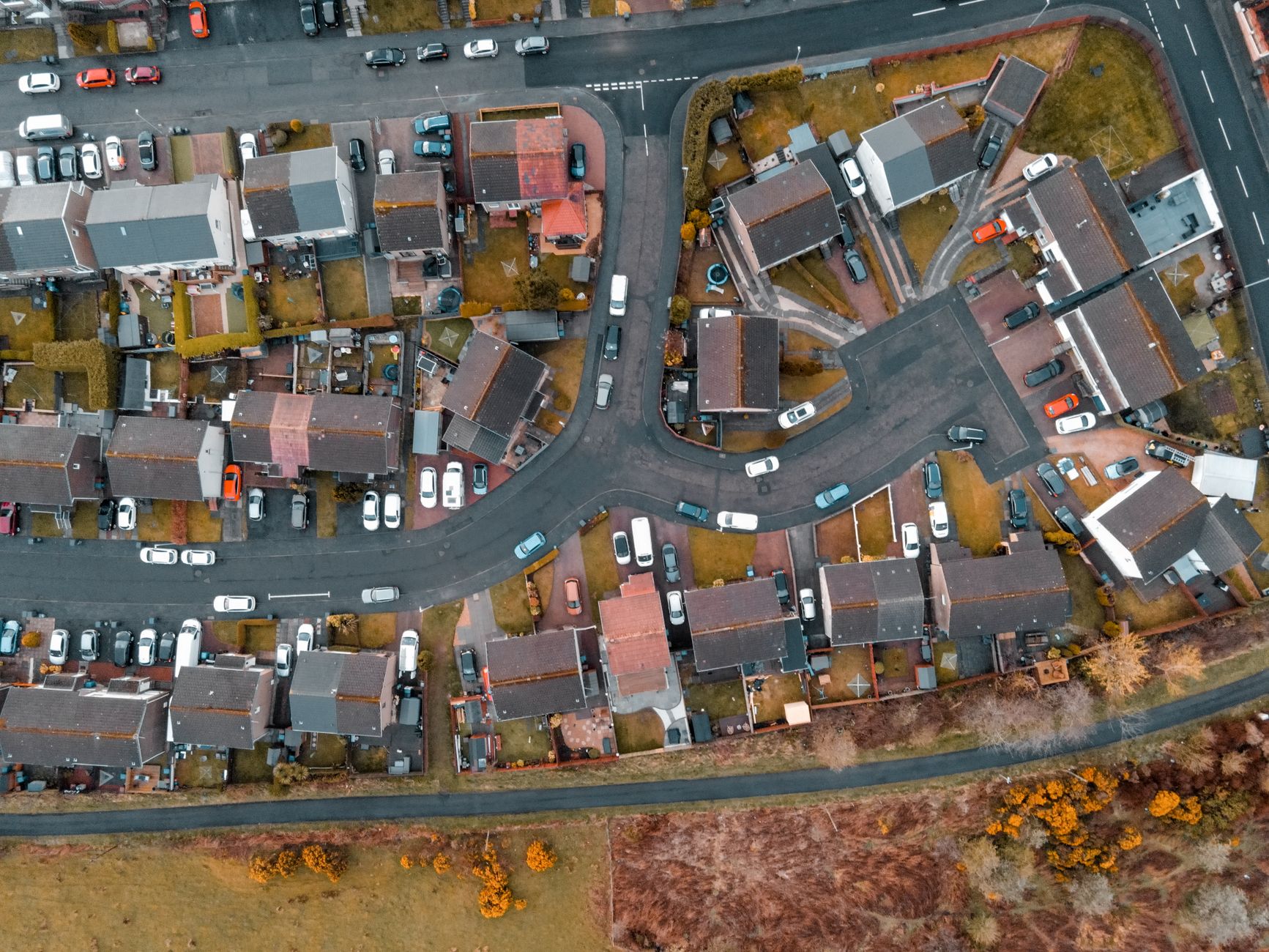
This is where the freeze becomes genuinely consequential for families who would never describe themselves as wealthy. Consider a semi-detached house in the East Midlands bought for £120,000 in 2003 and now worth £310,000. Add modest savings of £40,000 and a small pension pot, and the estate edges past £325,000 before anyone has factored in furniture, a car, or any other assets. That family is now an IHT family, even if their income throughout their lives was entirely ordinary.
In London and the South East the situation is more acute. The average house price across London exceeded £500,000 by early 2026 according to ONS data. A homeowner there with even modest savings could leave an estate subject to a six-figure tax bill. My reading of the figures is that the freeze was never designed to capture this demographic, but that is precisely who it is now reaching.
The residence nil-rate band: useful, but limited
In 2017 the government introduced an additional allowance called the residence nil-rate band (RNRB), which gives an extra £175,000 of relief when a main home is left to direct descendants such as children or grandchildren. If both allowances are combined and fully transferable between spouses, a married couple can theoretically shelter up to £1 million from IHT. That sounds generous until you examine the small print.
The RNRB is tapered away for estates worth more than £2 million. More relevantly for many families, it only applies when the property is left to direct descendants. Leave your home to a sibling, a partner you were not married to, or a charity, and the residence nil-rate band disappears entirely. Single people with no children get no benefit from it whatsoever. I’ve seen situations where the theoretical £1 million threshold is simply irrelevant to the family in question because of how the estate is structured.
A practical example in pounds
Take a widower in his late seventies, living in a three-bedroom terraced house in Birmingham worth £390,000. He has £55,000 in savings and ISAs, plus personal possessions worth around £15,000. His total estate is £460,000.
He intends to leave the house to his two adult children. His nil-rate band is £325,000. Because he inherits his late wife’s unused nil-rate band, the combined allowance is £650,000. Add the residence nil-rate band of £175,000 per person (again, both transferable), and the couple’s combined effective threshold is £1 million. In this case, the estate of £460,000 falls well within that and no IHT is due.
Now change one detail. Remove the spouse. Make this a single man who never married. His nil-rate band is £325,000 and his RNRB is £175,000, totalling £500,000. With an estate of £460,000, he still falls under the threshold, just. But if house prices in his area rise another 10%, or if he inherits money from a parent, he tips over. The tax owed on £510,000, for example, would be £4,000, a small amount, but one that arrives at an already difficult time and requires the estate to find liquid cash before probate is settled.
What families can actually do about it
There are legitimate, legal options for managing exposure to IHT, and they are worth understanding before an estate reaches crisis point. Gifting is the most commonly used route: any gift made more than seven years before death falls outside the estate entirely. Gifts of up to £3,000 per year are immediately outside the estate regardless of timing, and gifts to a spouse or civil partner are always exempt.
Trusts remain a more complex but often effective tool, particularly for larger estates or where there are specific wishes about how assets should be used. Charitable giving reduces the taxable estate and, if 10% or more of the net estate goes to charity, reduces the IHT rate from 40% to 36%.
Life insurance written in trust is another approach I’d recommend people ask about. A policy that pays out into a trust rather than into the estate directly means the proceeds are not subject to IHT and can be used by beneficiaries to settle any bill without waiting for the estate to be released.
Why the political conversation around IHT is shifting
Inheritance tax raises around £7 billion per year for the Treasury, a figure that has grown steadily as the freeze takes effect. The government’s October 2024 budget introduced further changes, most notably bringing unspent pension pots into the scope of IHT from April 2027. For anyone who had planned to use a defined contribution pension as a tax-efficient way to pass wealth to the next generation, this is a significant shift in planning assumptions.
The broader political debate is interesting. IHT consistently polls as one of the least popular taxes in Britain, even among people whose estates will never reach the threshold. There is a sense, not entirely unreasonable, that taxing assets already accumulated from post-tax income is unfair. Whether the freeze continues beyond 2030 is a genuine open question, but I wouldn’t plan an estate on the assumption that relief is coming soon.
For anyone navigating the intersection of housing costs and household finances, it’s worth understanding how broader pressures connect. The same house price inflation that is dragging estates into IHT territory is the backdrop for challenges like Britain’s ongoing housing supply constraints and debates about whether in-work poverty affects intergenerational wealth transfer in ways the tax system does not fully account for. And while IHT is distinct from income tax, the same HMRC real-time scrutiny that affects workers applies to estates: executors deal with HMRC directly and mistakes can be costly.
The honest message is that the UK inheritance tax threshold in 2026 is no longer something only wealthy families need to think about. If you own property in most parts of England, have any savings at all, and haven’t taken advice recently, it is worth at least understanding where your estate currently stands.
Frequently Asked Questions
What is the UK inheritance tax threshold in 2026?
The standard nil-rate band remains frozen at £325,000 per person. Married couples and civil partners can combine allowances, and an additional residence nil-rate band of £175,000 per person applies when a main home is left to direct descendants, giving couples a potential combined threshold of up to £1 million.
How long will the inheritance tax threshold stay frozen at £325,000?
The government has confirmed the freeze will continue until at least April 2030. This means the threshold will have been unchanged for over two decades by the time it is next reviewed, pushing more estates into IHT liability purely through asset price growth.
Do I have to pay inheritance tax if I leave my house to my children?
If your total estate exceeds your available nil-rate band and residence nil-rate band combined, the portion above the threshold is taxed at 40%. However, the residence nil-rate band specifically applies to a main home left to direct descendants, which can significantly reduce the bill. The exact amount depends on your marital status, estate value, and how assets are structured.
What is the seven-year rule for inheritance tax gifts?
Any gift made more than seven years before death is generally exempt from IHT. Gifts made within seven years may still be subject to tax on a sliding scale known as taper relief, with the full 40% rate applying to gifts made within three years of death. Annual gifting allowances of £3,000 are immediately exempt regardless of when you die.