The narrative around the British high street has been bleak for a long time. Empty units, charity shops filling gaps left by chains, and town centres that felt like they’d given up. But in 2026, that picture is more complicated than the doom-laden headlines suggest. A growing number of UK towns have turned their fortunes around, and the approaches they’ve taken tell us something genuinely useful about what the high street can become.
The British Retail Consortium reported in early 2026 that footfall in market towns with a high proportion of independent retailers had grown by 4.7% year-on-year, outpacing retail parks and shopping centres for the second consecutive year. That’s not a fluke. It reflects deliberate decisions made by councils, local business communities, and residents who chose not to wait for a national chain to save them.
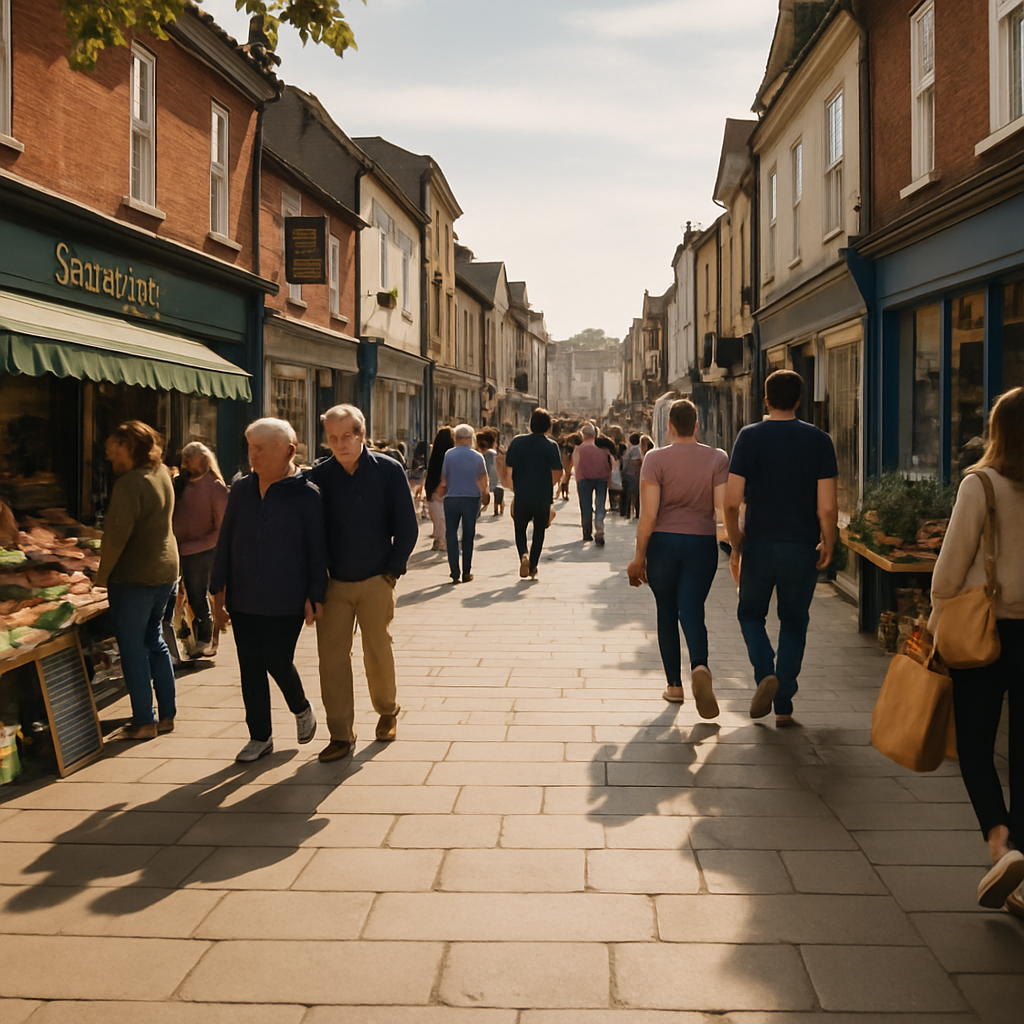
Frome: the Somerset model everyone is copying
Frome in Somerset is probably the most cited example of a town that reinvented itself, and the results have held up. Its independent traders now account for around 70% of the retail offer, and the monthly Frome Independent market draws visitors from across the South West. The council’s decision to reduce business rates support for large chains while actively funding pop-up incubator spaces gave smaller operators a genuine foothold.
What made Frome work wasn’t just the market. It was the deliberate mixing of retail with cultural venues. Merlin Theatre hosts everything from fringe comedy to community forums. The library was expanded rather than cut. These aren’t luxury add-ons; they’re the reason people come and stay long enough to spend money.
Tynemouth and the north-east coast revival
Tynemouth in North Tyneside has built its reputation on a weekend market that now runs year-round inside the Victorian train station. The market operates under a licence from Network Rail, and it attracts craft producers, vintage dealers, and food vendors from across the region. North Tyneside Council’s regeneration report for 2025 credited the station market with generating an estimated £2.1 million in additional local spending annually.
The town hasn’t ignored its challenges either. Counterfeit goods being sold through informal pop-up stalls became a real problem in 2023, and the council worked with Trading Standards to tighten vendor vetting. If you encounter suspicious sellers online trying to mimic legitimate local markets, you can report a scam UK through dedicated channels to flag it quickly. Keeping local commerce trustworthy matters as much as the physical regeneration.
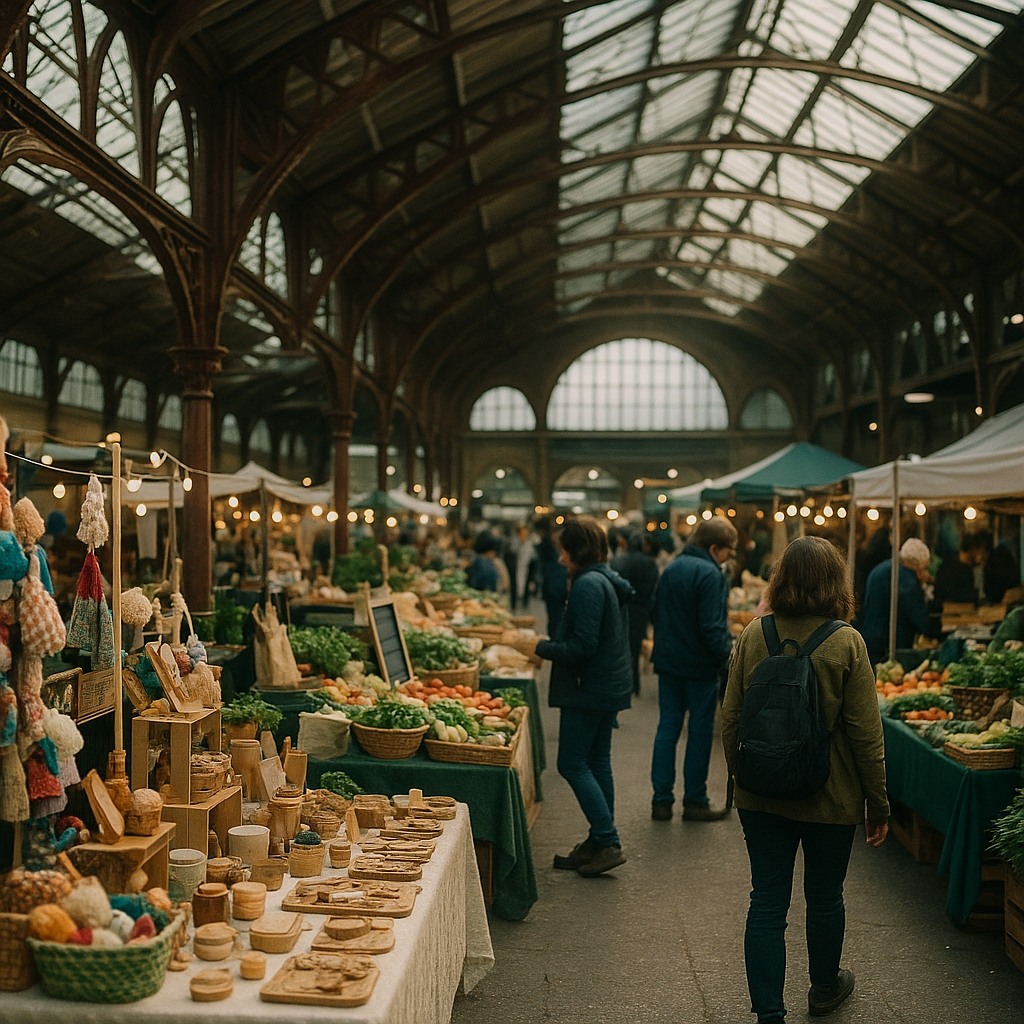
Ludlow: quality over volume
Ludlow in Shropshire takes a different approach. The town actively positions itself around food quality, with a higher concentration of artisan food producers and specialist shops than almost anywhere else of its size in England. The annual Ludlow Food Festival draws around 20,000 visitors each year, but the real work happens in the ordinary weeks when independent butchers, cheesemongers, and delicatessens maintain a trading environment that chains simply can’t replicate.
Shropshire Council’s 2025 town centre health check placed Ludlow vacancy rates at just 6%, compared to a national average hovering around 14% according to the BRC. That gap matters. Empty units don’t just look bad; they create feedback loops where the remaining businesses see reduced footfall and start questioning their own position.
What councils are actually doing differently
The towns managing a genuine UK high street revival share a few structural habits. First, they’ve converted upper floors of commercial buildings into flats, bringing residents directly into the town centre rather than leaving them in car-dependent suburbs. Bristol City Council and Shrewsbury Borough have both run active programmes to convert vacant retail upper floors under permitted development rights, and the results show in footfall during evenings and weekends.
Second, parking policy has shifted. Several thriving towns have dropped the first hour of parking fees entirely, a move that sounds small but removes the psychological friction that pushes shoppers towards retail parks where parking is free. Skipton in North Yorkshire tried this in 2024 and reported a 9% increase in town centre visits within six months, according to the council’s own monitoring data.
Third, and perhaps most tellingly, the successful towns have treated culture as infrastructure. Libraries, arts venues, community halls, and even well-maintained public spaces generate the kind of dwell time that translates into retail spending. The pressure on household budgets in 2026 means people are more selective about where they choose to spend. A pleasant, interesting town centre clears that bar. A sad row of closed units does not.
The role of independent retail specifically
There’s a distinction worth drawing here. The UK high street revival being led by independent retailers isn’t simply nostalgia for small shops. It’s a structural shift in what consumers want from a physical retail experience. Independents offer things chains structurally cannot: genuine local knowledge, products you won’t find in fifty identical shops elsewhere, and a reason to come back when the range changes.
Hebden Bridge in West Yorkshire has built an entire local economy around this. Its independent bookshops, galleries, and specialist outdoor gear retailers create an ecosystem where one shop’s customer becomes another’s. The town’s arts calendar, including the annual Hebden Bridge Arts Festival, brings in visitors who wouldn’t otherwise come, and those visitors spend in the shops.
What the data says about the rest
Not every town is Frome or Ludlow. The BRC’s 2026 retail monitor found that towns dominated by large retail chains continue to see vacancy rates climb as those chains contract their physical footprints. This isn’t a mystery. A high street that depends on one or two anchor tenants is fragile, and that fragility has been obvious since the Debenhams closures accelerated the pattern in 2021.
The towns at serious risk are generally mid-sized places with neither the independence-friendly culture of smaller market towns nor the footfall and transport links of major cities. For those towns, the regeneration task is harder. Council funding through the UK Shared Prosperity Fund has helped in some cases, but the allocations vary significantly and the spending timelines don’t always match the pace at which units empty.
The lesson that emerges from the towns getting it right is straightforward. The high street doesn’t survive by being convenient. It survives by being worth the trip. Towns that have understood that and built accordingly are doing well. Those still waiting for a national chain to anchor their recovery are, in most cases, still waiting. Thinking about how household decisions connect to broader economic pressures, including energy costs and home investment choices, helps explain why localised, community-led economies are drawing more loyalty from residents who want their spending to stay close to home.