Sleep disorders are not a niche problem. The NHS estimates that roughly a third of British adults experience significant sleep difficulties at some point, and conditions such as obstructive sleep apnoea, insomnia disorder, and restless leg syndrome affect millions of people who are either undiagnosed or sitting on a waiting list long enough to cause serious harm to their health, relationships, and working lives. I’ve spoken to people who waited two and a half years for a sleep study referral to actually materialise. That is not an outlier figure.
NHS sleep clinic waiting times in the UK have worsened sharply since 2020, and the picture in 2026 remains difficult. Understanding why, and what your realistic options are, is genuinely useful if you or someone you know suspects a sleep disorder.
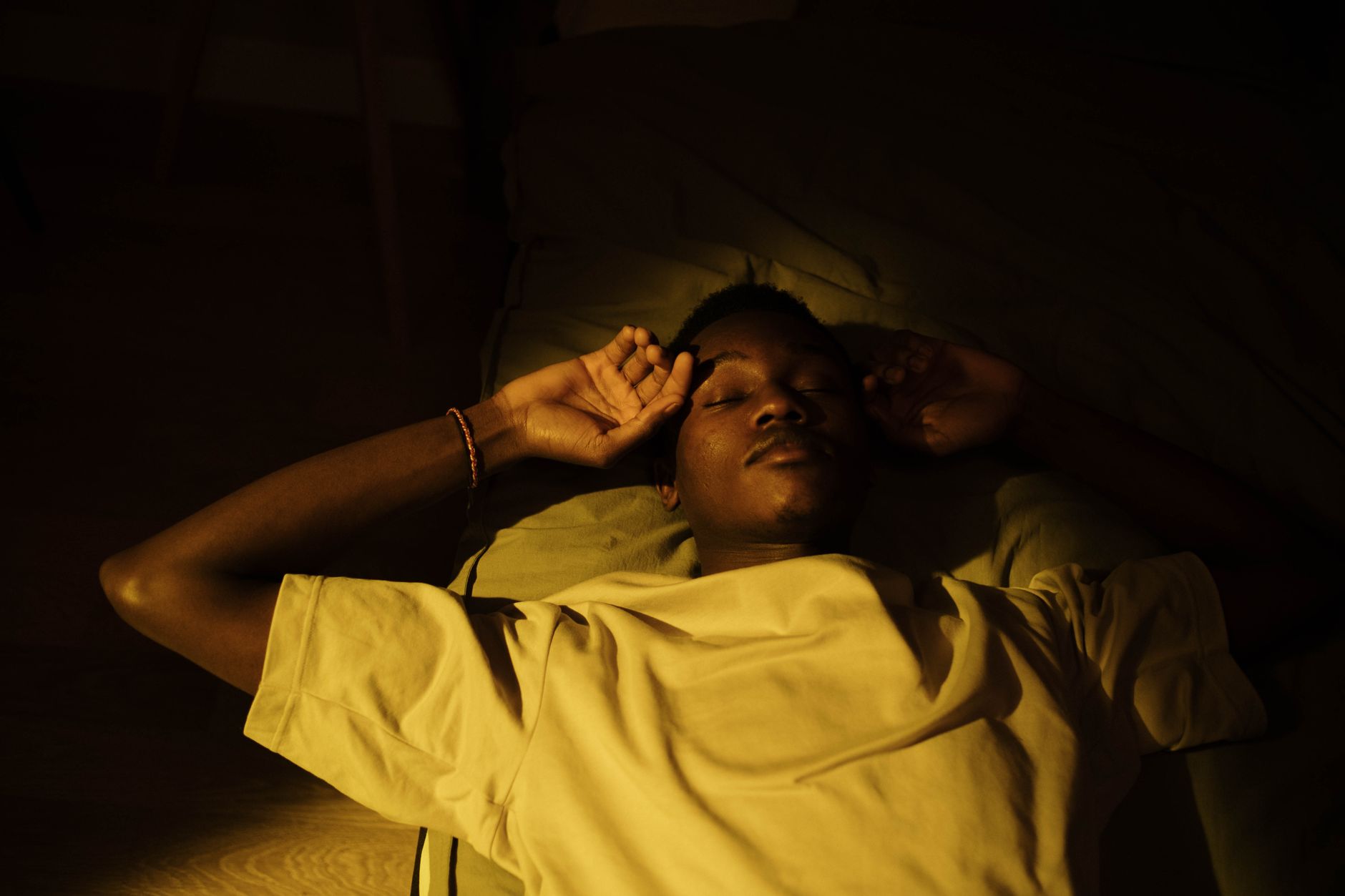
How long are NHS sleep clinic waiting times in the UK right now?
The honest answer is: it varies enormously by region, but the overall trend is poor. NHS England’s own referral-to-treatment data shows that respiratory sleep services, which cover most sleep apnoea diagnosis, frequently exceed the 18-week standard. In some areas of the country, patients are waiting 12 to 18 months just to receive an initial appointment at a sleep clinic, with polysomnography (the overnight sleep study used for definitive diagnosis) adding further delay on top.
Part of the pressure comes from sheer volume. Obesity rates in the UK have risen over the past decade, and obstructive sleep apnoea is strongly linked to body weight. The NHS’s guidance on sleep apnoea notes that the condition is significantly underdiagnosed, which means the cohort of patients eventually reaching GPs and referrals is growing year on year. Add to that a specialist workforce that has not kept pace with demand, and you have a system under genuine strain.
GP referrals themselves can be the first bottleneck. Many GPs are not trained sleep specialists and may not recognise or prioritise symptoms unless they are severe, a patient describing chronic tiredness without a partner’s account of loud snoring, for example, might not be fast-tracked appropriately.
What does private sleep diagnosis actually cost?
Growing numbers of people are bypassing NHS sleep clinic waiting times in the UK entirely by going private. The cost varies depending on what you need, but here is a realistic breakdown based on current pricing at UK private clinics.
A private sleep consultation with a respiratory physician or sleep specialist typically costs between £200 and £400 for the initial appointment. A home sleep test, where you wear a monitoring device overnight and return it for analysis, usually runs from £250 to £600 depending on the clinic and the complexity of the device. A full in-lab polysomnography study, conducted overnight in a private sleep suite, can cost anywhere from £1,000 to £2,500. Some private health insurers, including Bupa and Vitality Health, will cover these costs if your policy includes specialist consultations, though you will need to check the specific terms around pre-existing conditions.
London-based clinics such as the London Sleep Centre and the OneWelbeck Sleep Health clinic have seen significant demand growth. Outside the capital, private sleep services are available in cities including Manchester, Birmingham, and Edinburgh, though provision is patchier than in the south-east. If you are considering going private, a referral from your GP is not always required, but having one can help the specialist understand your full medical history from the start.
The rise of consumer sleep technology
Between the NHS queue and a £2,000 private sleep study sits a rapidly expanding middle ground: consumer sleep technology. Wearables, bedside monitors, and app-based analysis tools have become a legitimate part of how many people first investigate their sleep health, even if they cannot replace clinical diagnosis.
Devices such as the Withings Sleep Analyser, the Oura Ring, and various iterations of smartwatch sleep tracking from Garmin and Samsung can identify patterns, irregular breathing, elevated resting heart rate, prolonged light-sleep cycles, that give users a reason to push their GP more firmly for a referral. I’d argue these tools have been quietly useful in getting people to take their own symptoms seriously rather than brushing off tiredness as a lifestyle issue.
There are limits, of course. No consumer wearable is clinically validated to diagnose sleep apnoea or classify specific sleep disorders. The data can be noisy, and users should not treat an app’s sleep score as medical information. That said, several sleep specialists I’ve read interviews with have acknowledged that patients who arrive with months of wearable data are often better equipped to describe their symptoms and patterns than those relying on memory alone.
The cost-of-living context matters here too. With household budgets under sustained pressure, spending £2,000 on a private sleep study is simply not possible for a large portion of the population. A £300 wearable is not equivalent, but for people who genuinely cannot afford private diagnosis and face a two-year NHS wait, it can at least help them track whether their condition is stable or deteriorating. This kind of practical workaround is something we’ve seen in other areas of healthcare and consumer spending, much as UK workers have adopted AI productivity tools to manage the cost-of-living squeeze, people are applying tech-first thinking to health too.
CPAP therapy: getting treatment once diagnosed
Diagnosis is only the first part. For people with obstructive sleep apnoea, the standard treatment is a CPAP (Continuous Positive Airway Pressure) machine, which keeps the airway open during sleep. The NHS provides CPAP equipment free of charge once a diagnosis is confirmed, which is a significant benefit of persisting through the NHS route. Private patients who purchase or rent CPAP machines directly are typically looking at between £400 and £1,200 for the device, plus ongoing costs for masks and filters.
Some private providers now offer a streamlined pathway: home sleep test, remote analysis by a sleep physician, and CPAP rental or purchase, all within a few weeks rather than years. Companies operating in this space include Intus Healthcare and ResMed’s UK arm. The convenience is real, but so is the ongoing expense if you are managing a lifelong condition without NHS support.
What to do if you suspect a sleep disorder
Start with your GP. Ask specifically for a referral to a sleep clinic rather than a general respiratory service, and be explicit about how your symptoms are affecting your daily functioning, your ability to work, and your safety, particularly if you drive. Daytime sleepiness caused by untreated sleep apnoea is a recognised road safety risk, and the DVLA has specific rules about drivers with the condition.
If the wait time your GP quotes is more than six months, ask whether your NHS trust has a Choose and Book option to access a different provider with shorter waits, or whether a home sleep test referral might be faster than an in-lab study. These are not unreasonable questions to ask.
If you can afford it and the wait is genuinely affecting your health or safety, private diagnosis is a legitimate path. It is also worth checking whether your employer’s private health benefit, if you have one, covers sleep-related consultations, as this is sometimes overlooked. In much the same way that rising household energy costs have pushed people to consider alternative home energy solutions, the NHS backlog is pushing people to find alternative routes to healthcare that they might not previously have considered.
The demand problem is structural and will not be solved quickly. But knowing your options, both within the NHS and outside it, puts you in a much stronger position to actually get help rather than waiting indefinitely.
Frequently Asked Questions
How long is the NHS sleep clinic waiting time in the UK?
Waiting times vary significantly by region, but many NHS sleep clinics in the UK currently exceed the 18-week referral-to-treatment standard. In some areas, patients are waiting 12 to 18 months or longer for an initial appointment. Home sleep tests may be offered faster than in-lab polysomnography studies.
How much does a private sleep study cost in the UK?
A home sleep test at a private clinic typically costs between £250 and £600, while a full overnight polysomnography study can cost £1,000 to £2,500. Initial consultations with a private sleep specialist usually run between £200 and £400. Some private health insurance policies will cover these costs.
Can a smartwatch or wearable diagnose sleep apnoea?
No consumer wearable is clinically validated to diagnose sleep apnoea or other sleep disorders. Devices like the Oura Ring or Garmin smartwatches can track patterns in breathing and heart rate that may prompt you to seek medical advice, but they cannot replace a clinical sleep study.